By

August 16, 2026
Does My Company Need to Register for VAT?
Not every UK business needs to register for VAT. Whether registration is required depends on factors such as taxable turnover, business activities and where customers are located.
Some businesses must register for VAT by law, while others choose to register voluntarily.
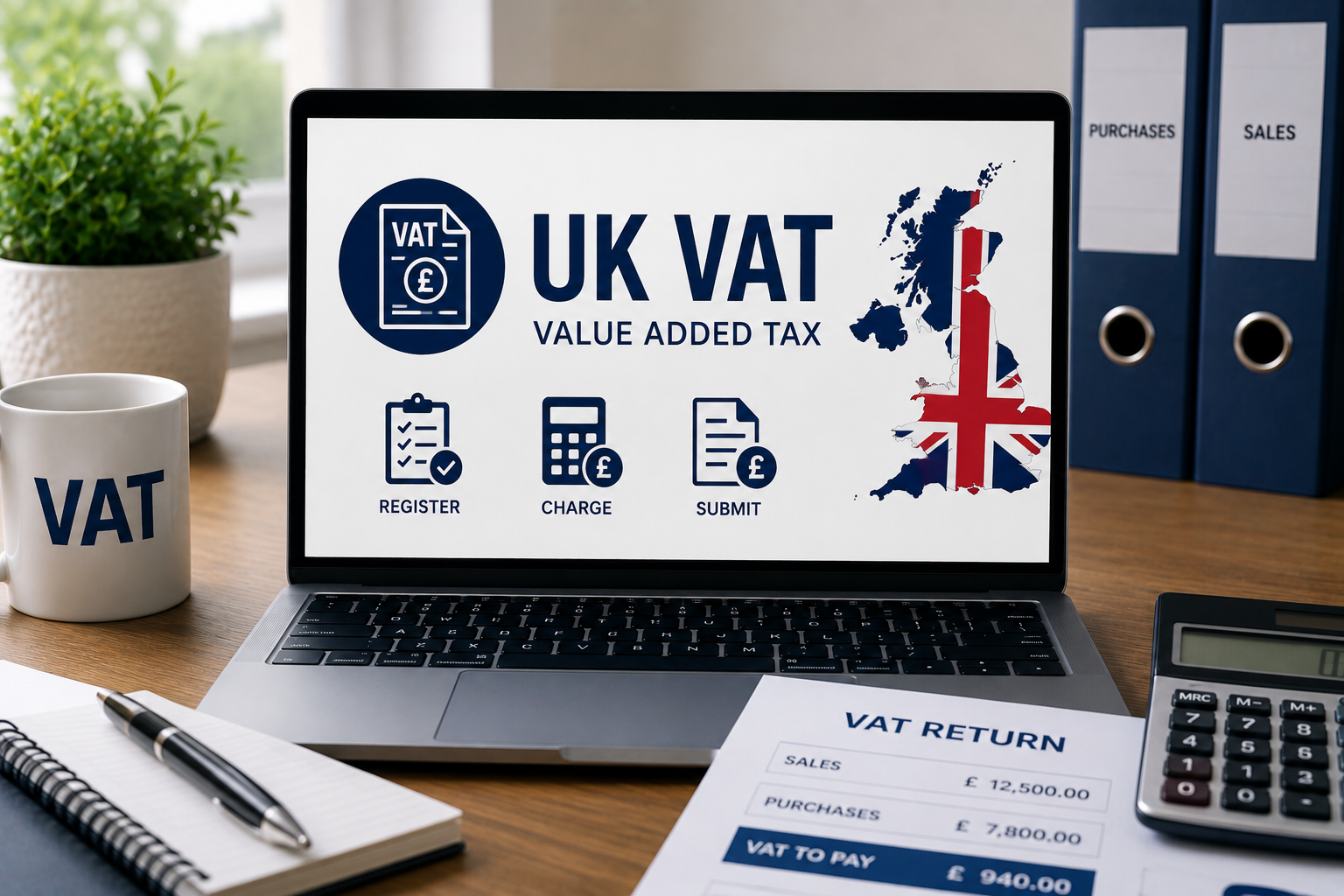
VAT (Value Added Tax) is a tax charged on many goods and services sold in the UK.
Once registered, a business usually adds VAT to eligible sales and submits VAT returns to HMRC. In some cases, it may also be able to reclaim VAT paid on certain business purchases.
A business may need to register for VAT when its taxable turnover exceeds the VAT registration threshold set by HMRC.
Taxable turnover generally includes the value of goods and services that are subject to VAT, including standard-rated, reduced-rated and zero-rated sales.
Because VAT thresholds can change, it's always important to check the latest guidance before deciding whether registration is required.
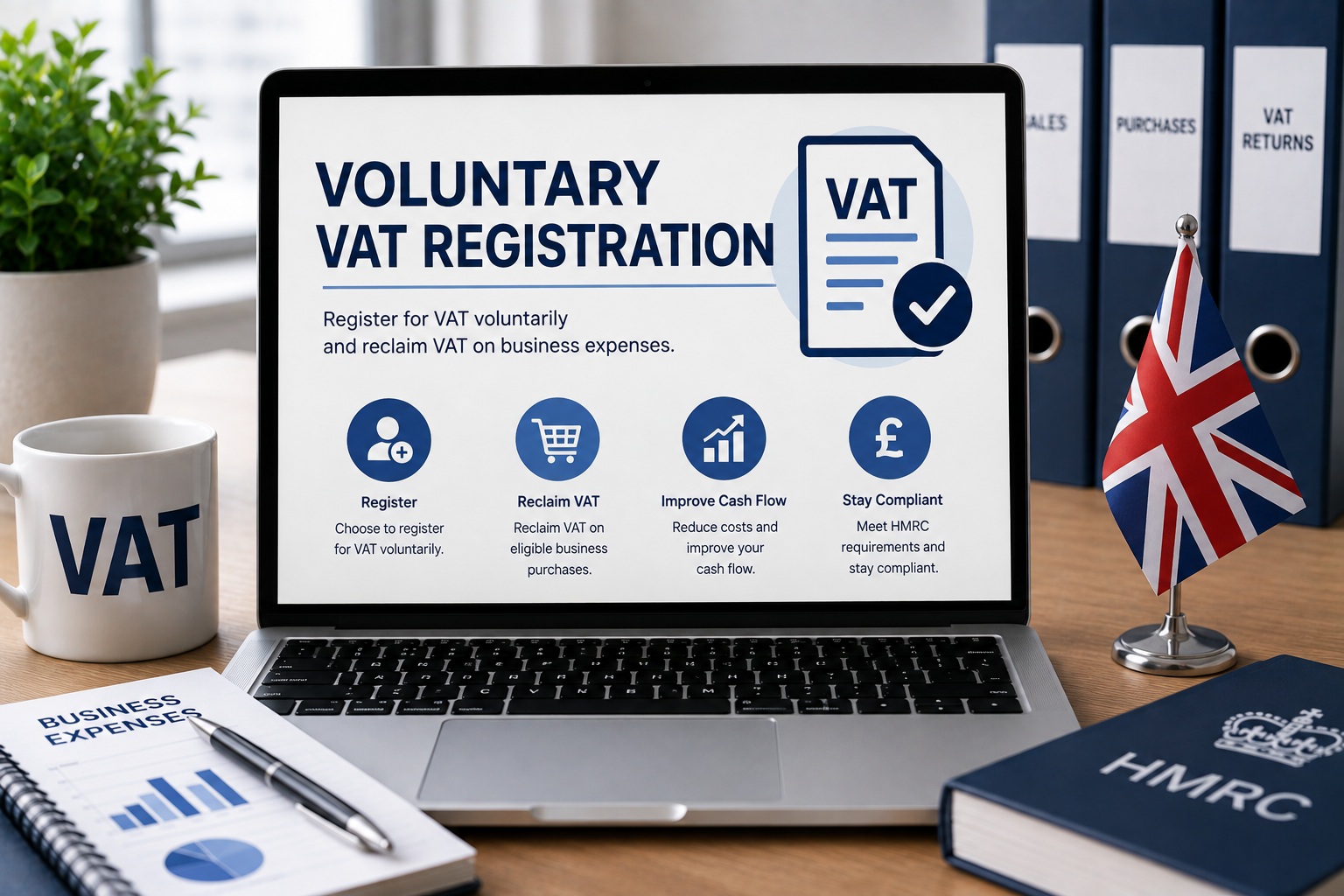
Yes. A business does not always have to wait until it reaches the registration threshold.
Many businesses choose to register voluntarily because it may offer several advantages, including:
Voluntary registration may not be suitable for every business, particularly if most customers are individuals who cannot reclaim VAT.
International trading can make VAT more complex.
Whether registration is required may depend on factors such as:
Selling internationally does not automatically remove VAT obligations, and different rules may apply depending on the nature of the transaction.
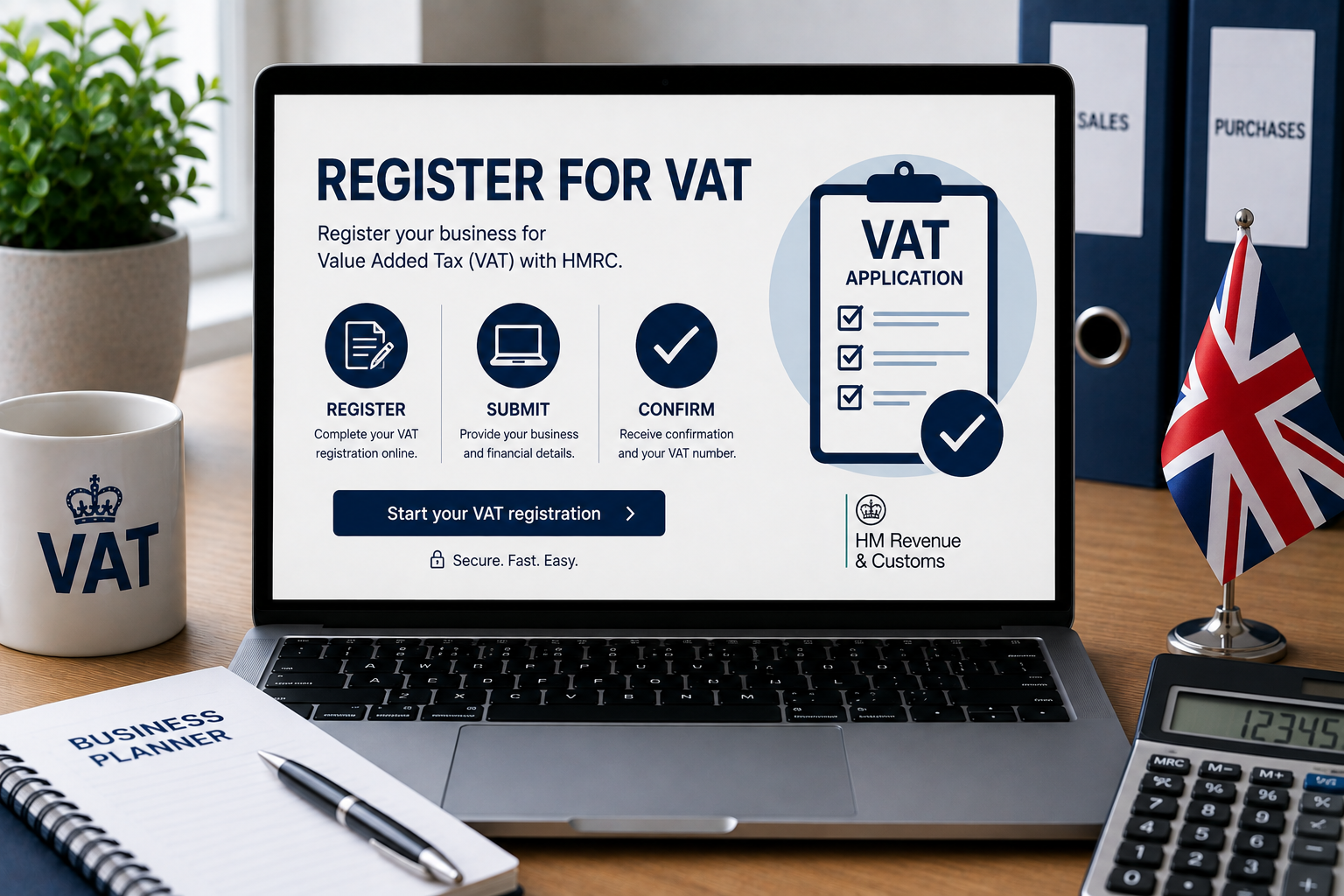
After registration, a business will usually need to:
Keeping accurate records can make VAT reporting significantly easier.
Failing to register for VAT when legally required can result in penalties and additional VAT liabilities.
Monitoring turnover regularly can help businesses identify when registration becomes necessary and avoid unexpected compliance issues.
Yes. A business may be able to cancel its VAT registration if it no longer meets the registration requirements.
This process is known as VAT deregistration and is subject to specific HMRC rules.
Not every company needs to register for VAT, but every business should understand the rules. Monitoring turnover, understanding your business activities and reviewing how and where you sell products or services can help you determine whether VAT registration is necessary.
Because VAT rules can change over time, it's always worth checking the latest HMRC guidance before making a decision.