By

August 23, 2026
How Does UK VAT Work?
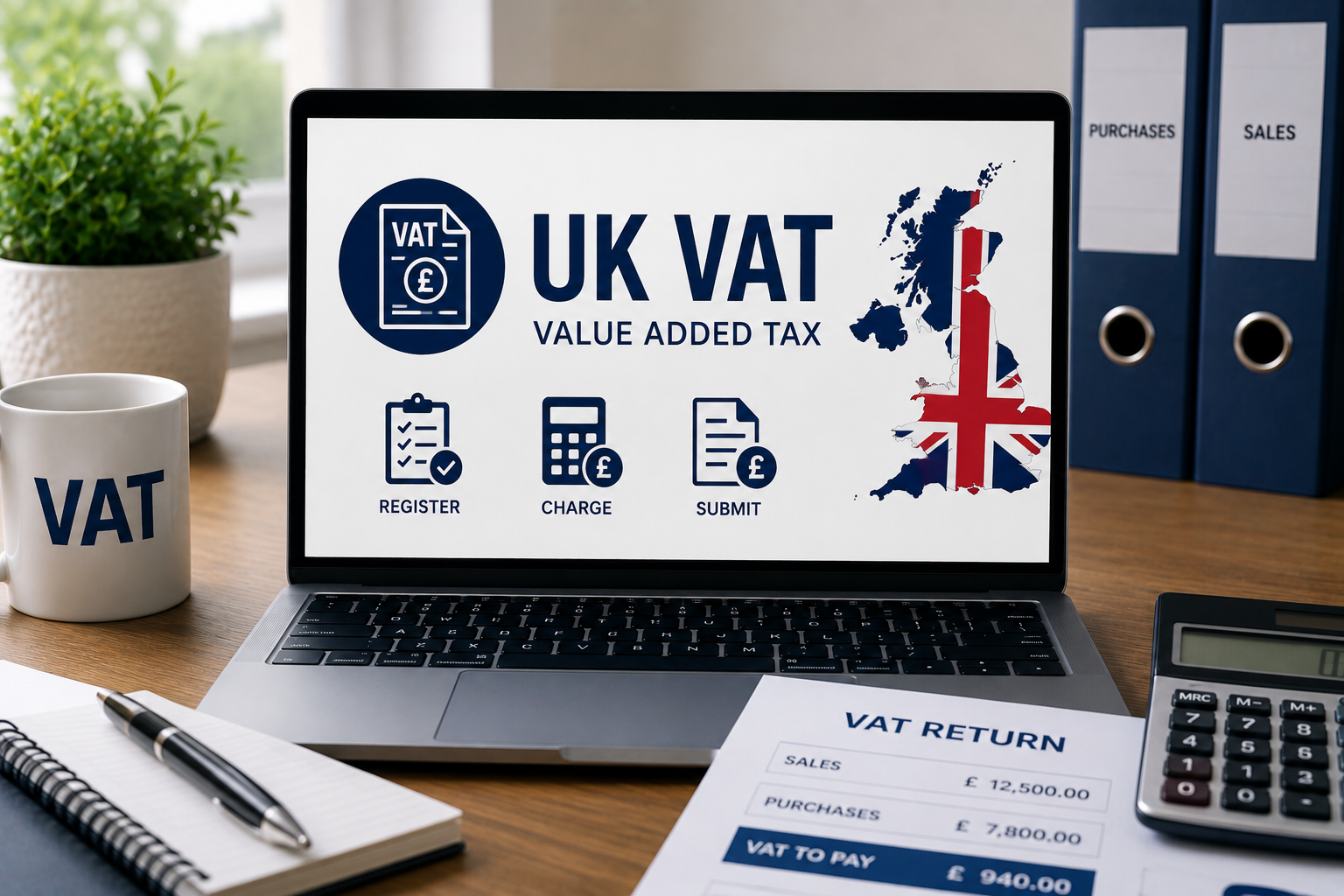
VAT (Value Added Tax) is a tax added to many goods and services sold in the UK. Businesses that are required to register for VAT generally charge VAT on taxable sales and may be able to reclaim VAT paid on eligible business purchases.
The VAT collected is reported and paid to HM Revenue & Customs (HMRC) through VAT returns.
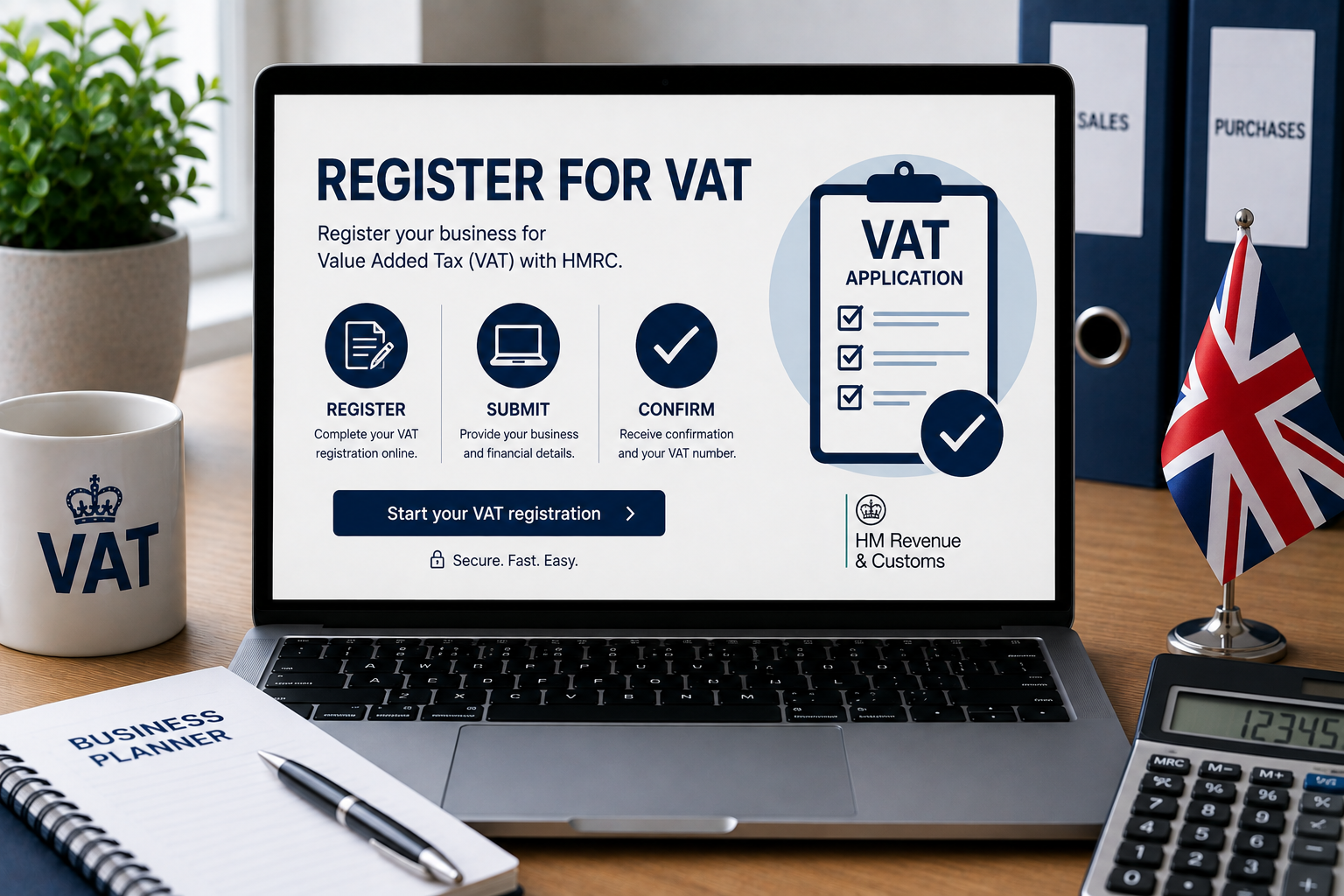
A business generally needs to register for VAT when its taxable turnover exceeds the current VAT registration threshold in a rolling 12-month period.
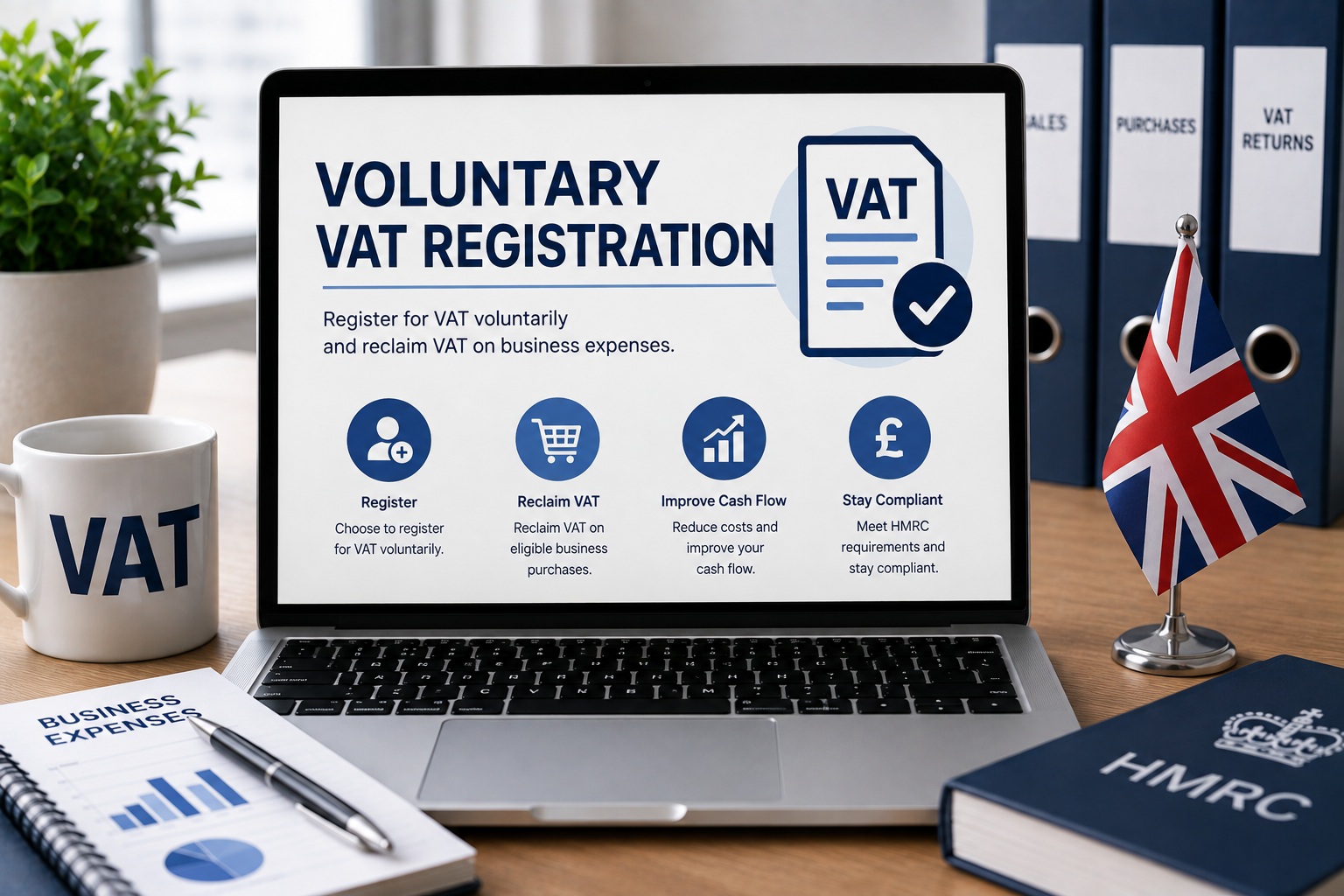
Businesses below the threshold can also choose to register voluntarily.
The rules can differ for businesses established outside the UK, so overseas businesses selling into the UK should check their specific VAT obligations.
The standard UK VAT rate is 20%.
Some goods and services qualify for a reduced rate of 5%, while others may be zero-rated or exempt from VAT.
The correct rate depends on what your business sells.
Suppose a VAT-registered business sells a product for:
£100 + £20 VAT = £120
The business collects £20 of VAT from the customer.
If the business has also paid VAT on eligible business expenses, it may be able to reclaim that VAT.
For example:
VAT collected on sales: £2,000
Eligible VAT paid on purchases: £800
VAT potentially payable to HMRC: £1,200
The actual calculation depends on the company's transactions and VAT scheme.
VAT-registered businesses normally submit VAT returns to HMRC.
A VAT return reports information including:
Most businesses submit VAT returns every three months, although other arrangements can apply.
A VAT-registered business can generally reclaim VAT on qualifying purchases used for its business activities, subject to the VAT rules.
You should keep appropriate VAT invoices and accurate records to support any VAT reclaimed.
Not every business expense qualifies.
Yes.
Businesses selling through Amazon, Shopify, eBay, Etsy or other online marketplaces may have VAT obligations depending on where the business is established, where customers are located, where goods are stored and how products are supplied.
International e-commerce businesses should pay particular attention to cross-border VAT rules.
No.
VAT → Tax related to taxable goods and services
Corporation Tax → Tax on taxable company profits
A UK limited company may have obligations relating to both taxes.
UK VAT is a tax applied to many goods and services.
A VAT-registered business generally:
Charges VAT on taxable sales → Reclaims eligible VAT on business purchases → Submits VAT returns → Pays the difference to HMRC
Whether your business needs to register depends on its turnover and circumstances.
For international and e-commerce businesses, VAT can be more complex because the rules may depend on customer location, stock location and how goods or services are supplied.