By

August 24, 2026
What Accounting Software Should I Use for a UK Limited Company?
The best accounting software for a UK limited company depends on the size of your business, the number of transactions you process and whether you need features such as VAT, payroll, invoicing or multicurrency accounting.
For many small UK companies, the most important thing is choosing software that makes it easy to record income and expenses, reconcile bank transactions, store receipts and prepare accurate financial records.
There is no general requirement for every UK limited company to purchase accounting software simply because it is incorporated.
However, every company must maintain adequate accounting records.
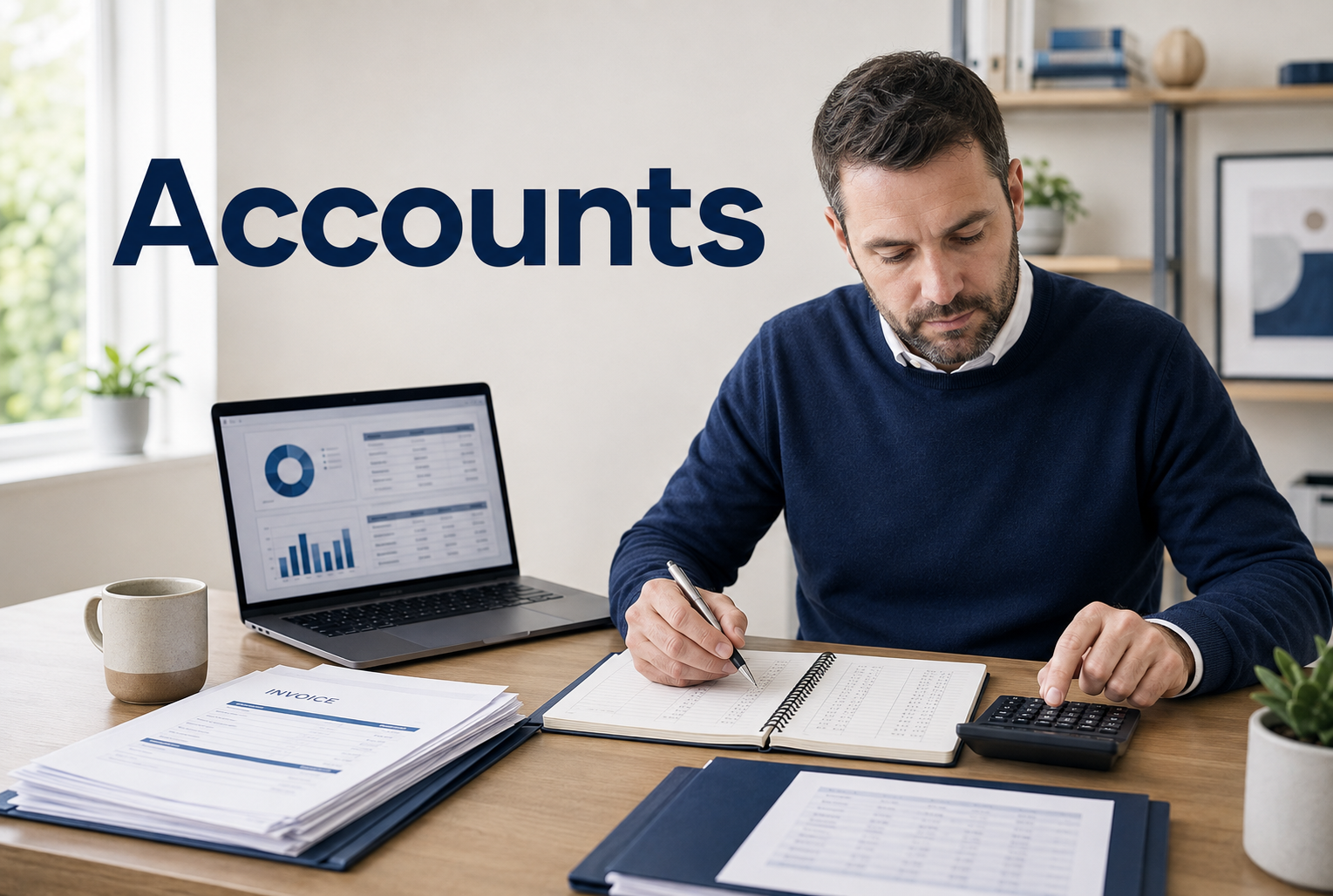
Accounting software can make this considerably easier by keeping financial information organised in one place.
It can help with:
For a growing company, software can save significant time compared with manually maintaining spreadsheets.
When choosing accounting software, focus on the features your company actually needs.
Connecting your business bank account can allow transactions to flow automatically into your accounting system.
This can make reconciliation faster and reduce manual data entry.
If your company invoices customers, look for software that allows you to create, send and track invoices.
Useful features can include recurring invoices, payment reminders and overdue invoice tracking.
Good accounting software should make it easy to record and categorise company expenses.
Some systems also allow you to photograph or upload receipts and attach them directly to transactions.
If your UK company is VAT registered, make sure the software supports the VAT functionality and digital record-keeping requirements relevant to your business.
This is particularly important for companies required to comply with Making Tax Digital for VAT.
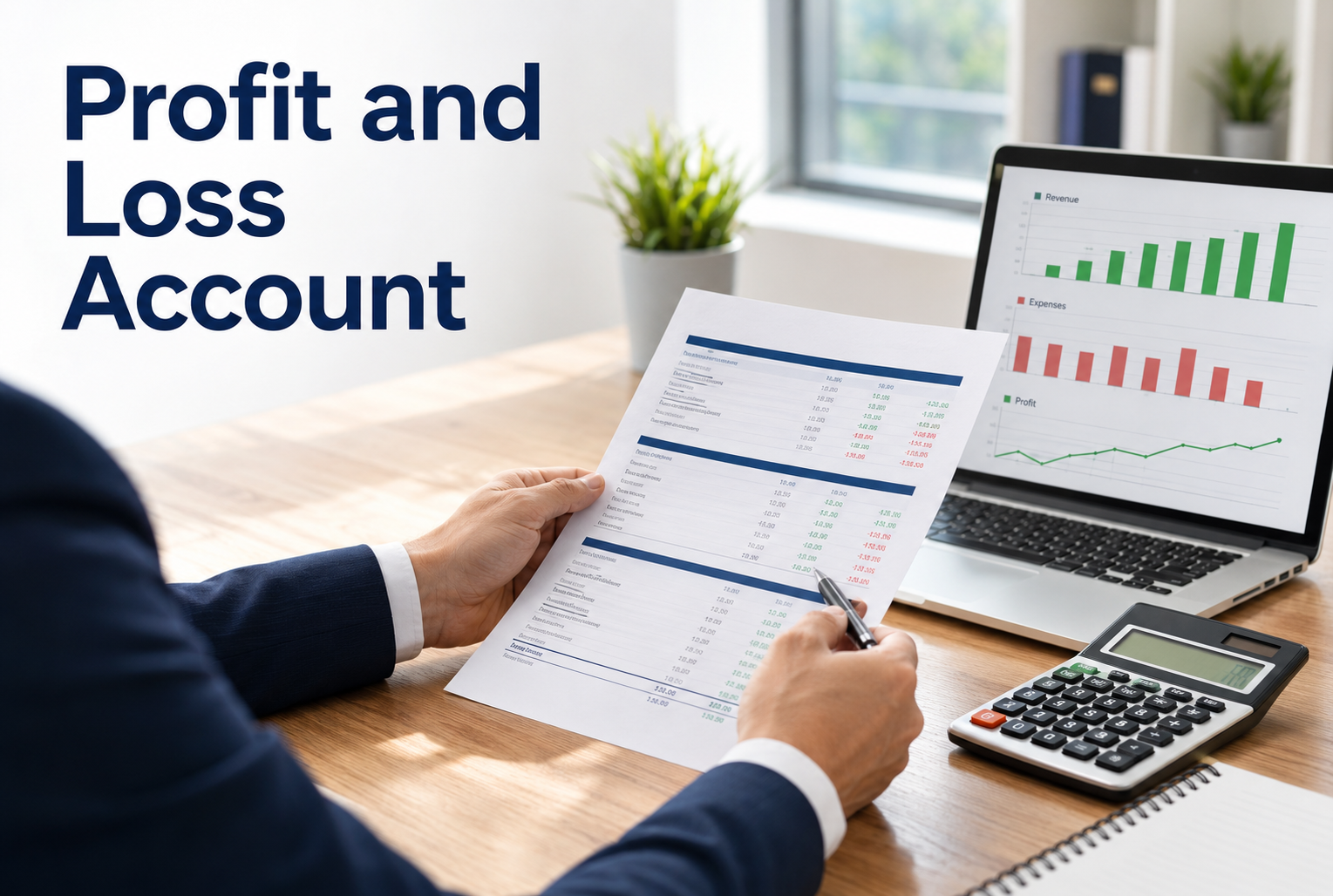
Useful reports can include:
These reports can help you understand how your company is performing throughout the year.
Cloud-based accounting software is a popular option for UK companies because financial records can be accessed online from different devices.
Cloud systems can also offer:
This can be particularly useful for businesses operating remotely or internationally.
If your UK company receives or sends payments in currencies such as GBP, EUR and USD, multicurrency functionality can be particularly useful.
It can help record:
This can be valuable for e-commerce businesses, exporters, importers and UK companies trading internationally.
Many accounting platforms can connect directly to business bank accounts using bank feeds or Open Banking integrations.
This allows transactions to be imported automatically.
You can then match imported transactions against:
Automatic bank feeds can significantly reduce manual bookkeeping.
Many modern accounting systems allow receipts and invoices to be stored digitally.
You may be able to:
This can help create a clearer audit trail and reduce reliance on paper records.
Not necessarily, but accounting software can still be useful.
Your accountant may use the information recorded in your software to prepare:
Giving an accountant access to an organised accounting system can also reduce the need to exchange spreadsheets, receipts and bank statements manually.
For a very small company with relatively few transactions, a spreadsheet may be sufficient for basic bookkeeping.
However, spreadsheets can become difficult to manage as the business grows.
Common problems include:
Accounting software can provide greater automation and structure.
A small company with straightforward finances may only need basic features such as:
There is little benefit in paying for advanced functionality your company does not use.
UK e-commerce companies may benefit from accounting software that integrates with their online sales and payment systems.
Useful features can include:
Integration capabilities can become increasingly important as an online business grows.
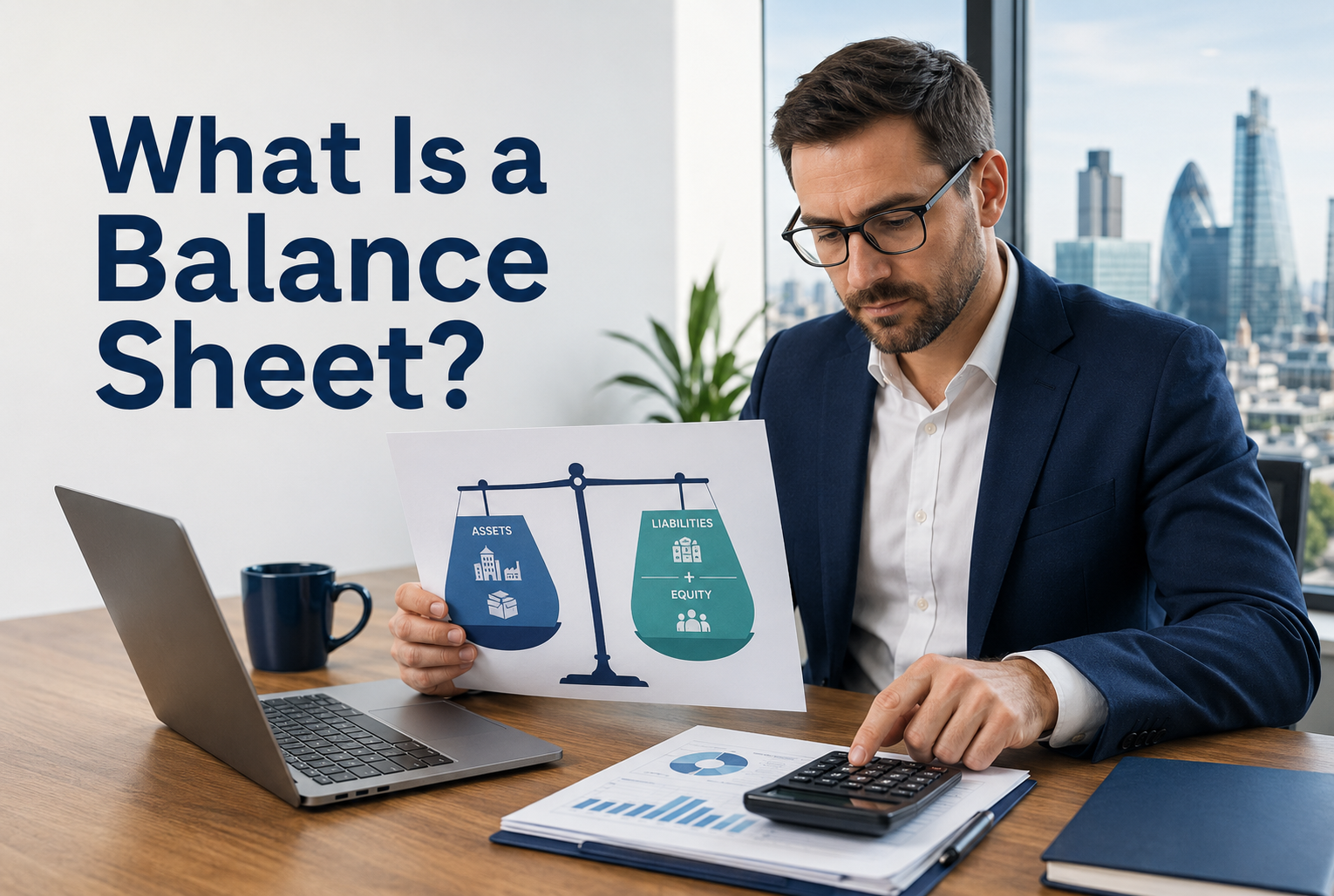
Some software can produce much of the financial information needed to prepare annual accounts.
However, generating a report from accounting software does not automatically mean the company's statutory accounts are complete or correct.
The directors remain responsible for ensuring that the company's accounts and filings comply with applicable UK requirements.
Accounting software is commonly offered as a monthly or annual subscription.
Rather than choosing solely based on price, compare the features your company actually requires.
A cheaper system may become expensive if you later need to pay separately for essential features such as:
Consider the total cost as your business grows.
Before selecting a system, consider:
These questions can help narrow down the type of accounting system suitable for your company.
Choose software that suits your company's size and activities and provides the bookkeeping, reporting, VAT and integration features you actually require.
Not simply because the business is a limited company. However, companies must maintain adequate accounting records, and specific digital record requirements can apply in areas such as Making Tax Digital.
Accounting software can help you maintain the records required to prepare company accounts. However, directors remain responsible for ensuring statutory accounts and tax filings are correct.
Bank feeds can make bookkeeping significantly easier by automatically importing transactions for reconciliation.
It can be particularly useful if your UK company regularly receives, holds, converts or pays foreign currencies.
Yes. However, transferring historical transactions, invoices and opening balances can require careful planning, so choosing a system capable of supporting future growth can save work later.
The best accounting software for a UK limited company is one that matches the way your business operates.
For most companies, useful features include bank feeds, invoicing, expense tracking, receipt storage, reconciliation and financial reporting.
VAT-registered businesses should also consider applicable Making Tax Digital requirements, while international companies may benefit from multicurrency functionality.
You do not necessarily need the most advanced accounting system. Choose software that keeps your company's records accurate, organised and easy to manage as the business grows.