By

August 24, 2026
What Is a Profit and Loss Account for a UK Limited Company?
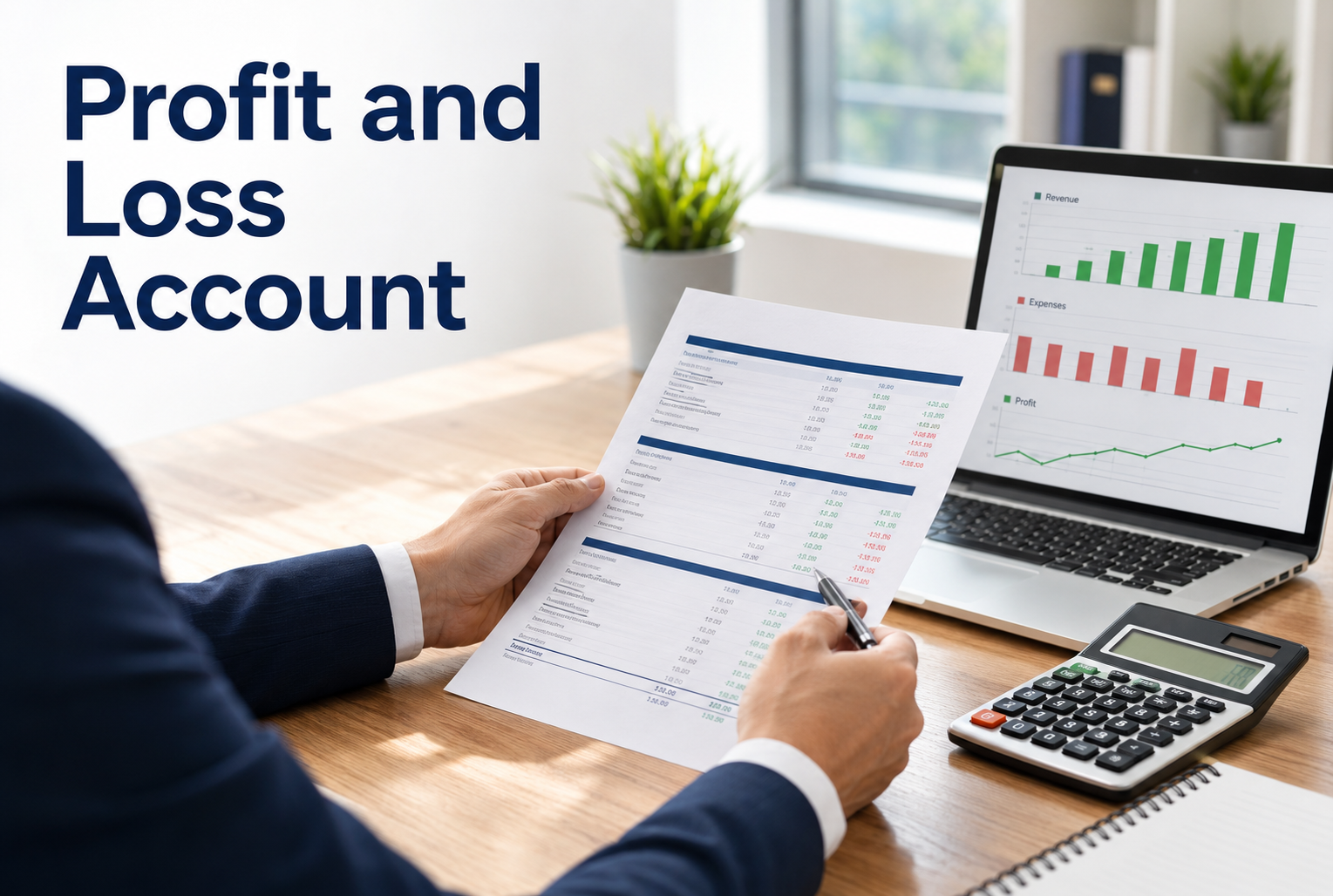
A profit and loss account for a UK limited company is a financial statement showing the company's income, expenses and resulting profit or loss over a specific accounting period.
Often called a P&L account or income statement, it is an important part of a UK company's financial records and annual accounts.
In simple terms, it answers one important question: Did your UK company make a profit or a loss?
A profit and loss account records the financial performance of the company over a period, usually its financial year.
Depending on the business, it may include:
The exact format depends on the company's activities and the UK accounting requirements that apply to it.
At its simplest:
Income − Business Costs = Profit or Loss
For example, imagine a UK limited company has:
Turnover: £120,000
Business costs: £85,000
Profit before further adjustments and tax: £35,000
If the company's costs are higher than its income, it will instead make a loss.
The actual accounting and tax calculations can be more complicated because different types of costs may receive different accounting or tax treatment.
Turnover is generally the income generated from the company's normal business activities before expenses are deducted.
For example, if a UK company sells £200,000 worth of products during its financial year, its turnover would generally be £200,000 before deducting the costs associated with generating those sales.
Gross profit is generally calculated by deducting the direct cost of providing goods or services from sales.
For example:
Sales: £150,000
Cost of sales: £60,000
Gross profit: £90,000
Other operating expenses are then deducted when determining the company's overall profit.
Net profit represents what remains after the relevant costs and expenses have been deducted from the company's income.
This figure helps directors understand whether the company's activities are generating an overall profit.
UK limited companies must prepare annual accounts in accordance with the requirements that apply to them.
A profit and loss account forms part of the company's statutory accounting process, although what must be prepared, disclosed and filed publicly can vary depending on factors such as the company's size and reporting requirements.
It is important to distinguish between what a company must prepare and what it must file publicly with Companies House.
The information that must be filed with Companies House depends on the company's size, accounting period and applicable reporting rules.
UK company filing requirements have also changed over time, so directors should check the current Companies House requirements when preparing their annual accounts.
Even where certain information receives reduced public disclosure, the company still needs appropriate accounting records to calculate its financial position and meet its tax obligations.
Yes. A company's accounting profit is an important starting point when calculating its Corporation Tax position.
However, accounting profit is not necessarily the same as taxable profit.
Certain expenses may need to be adjusted for tax purposes, while the company may also qualify for allowances or reliefs.
The final Corporation Tax calculation therefore follows UK tax rules rather than simply applying a tax rate to the P&L's bottom-line profit.
No.
A profit and loss account shows the company's financial performance over a period.
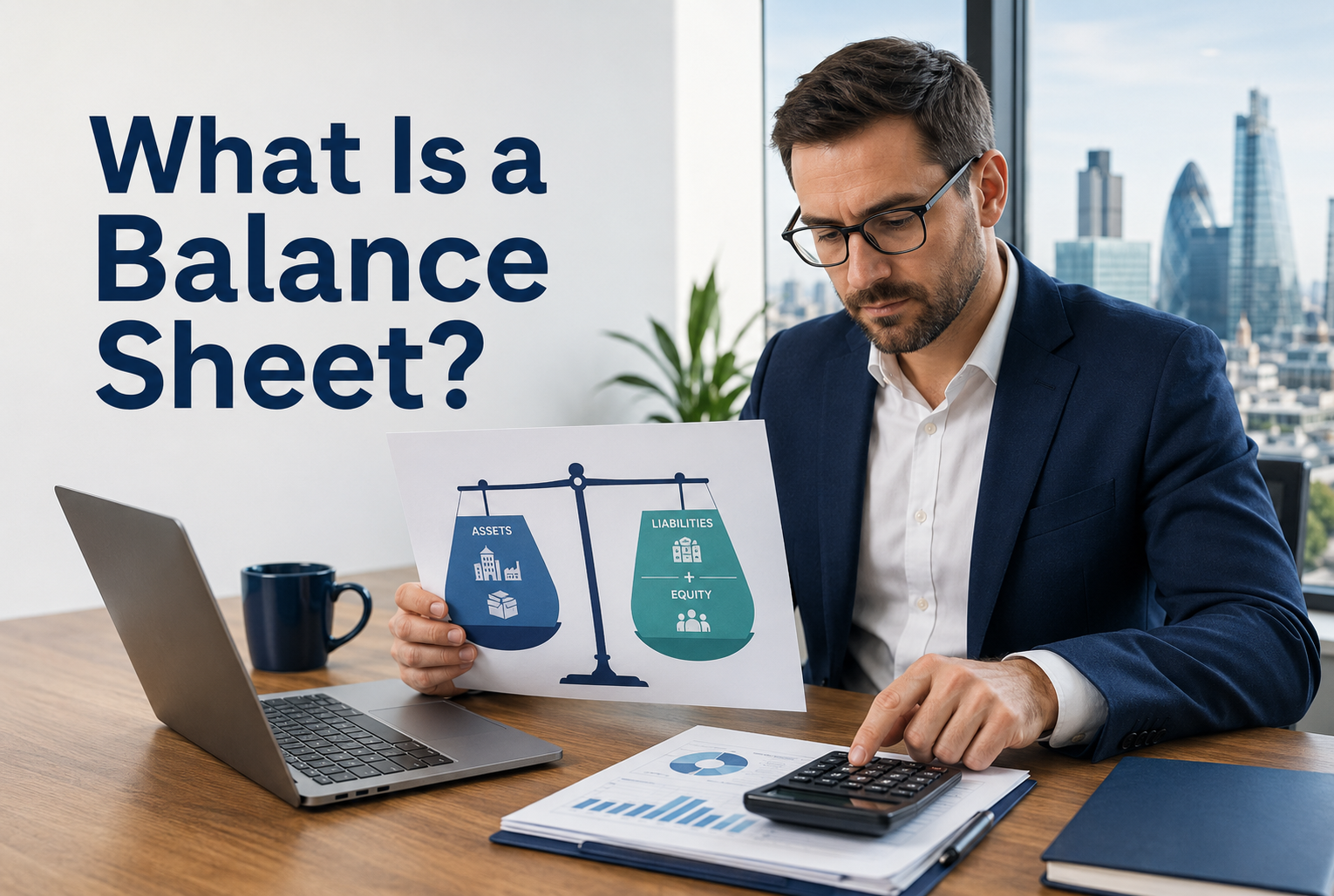
A balance sheet shows the company's financial position at a particular date, including its assets, liabilities and equity.
Both are important parts of understanding the financial health of a UK limited company.
No. This is an important distinction for UK company owners.
A company could report a £50,000 profit without having £50,000 sitting in its business bank account.
Cash may have been used for other purposes, or the company may have money tied up in unpaid customer invoices.
The company may also have liabilities such as:
Profit and cash flow therefore measure different things.
Yes. A UK limited company is not automatically required to hire an accountant to prepare a profit and loss account.
Directors can maintain their own accounting records and prepare their company's accounts, provided they comply with the relevant UK accounting, tax and filing requirements.
Accounting software can help track income and expenses and produce P&L reports throughout the year.
Accurate bookkeeping is essential for producing a reliable profit and loss account.
A UK limited company should maintain appropriate records including:
Keeping records up to date throughout the year can make preparing annual accounts considerably easier.
A P&L is not only useful for Companies House and tax purposes. It can also help directors manage the company.
Regularly reviewing the P&L can help you understand:
It can therefore be one of the most useful financial reports for running a UK company.
P&L means profit and loss. It refers to the financial statement showing the company's income, expenses and profit or loss over a particular period.
UK limited companies must prepare accounts according to the reporting requirements that apply to them. The precise presentation and public filing requirements can depend on the company's size and circumstances.
Yes. Profit and loss account, P&L statement and income statement are commonly used to describe the same type of financial statement.
No. A P&L measures financial performance over a period, while a balance sheet shows the company's financial position at a particular date.
A company's accounts can include tax information, but taxable profit and accounting profit are not necessarily identical. Corporation Tax must be calculated according to UK tax rules.
Yes. Directors can manage their own bookkeeping and accounts, although they remain responsible for ensuring that the company's records and filings comply with UK requirements.
A profit and loss account for a UK limited company shows the company's income, expenses and resulting profit or loss during a specific accounting period.
It helps company directors understand financial performance, prepare annual accounts and calculate the company's tax position.
For UK company owners, regularly reviewing the profit and loss account can also provide a clearer picture of whether the business is growing, where money is being spent and how profitable the company really is.