By

August 16, 2026
What Is Companies House?
Companies House is the official government body responsible for incorporating and maintaining records for limited companies in the United Kingdom. It keeps a public register of company information, allowing individuals, businesses and government authorities to access important details about registered organisations.
If you want to form a UK limited company, file annual documents or check company information, Companies House is the organisation that manages these processes.
Companies House is responsible for a wide range of company administration and record-keeping tasks, including:
Most UK limited companies interact with Companies House throughout their entire lifecycle, from incorporation to dissolution.
Companies House stores information submitted by registered companies, including:
Much of this information is available to the public through the Companies House register.
Yes. Most information filed with Companies House can be viewed online by anyone.
This transparency helps customers, suppliers, lenders and other businesses verify whether a company is registered and review important information about its status.
However, some personal information is protected and is not displayed publicly.
Yes. A limited company must be registered with Companies House before it can legally operate as a company.
When a company is successfully registered, it receives a Certificate of Incorporation, which confirms that the business officially exists as a separate legal entity.
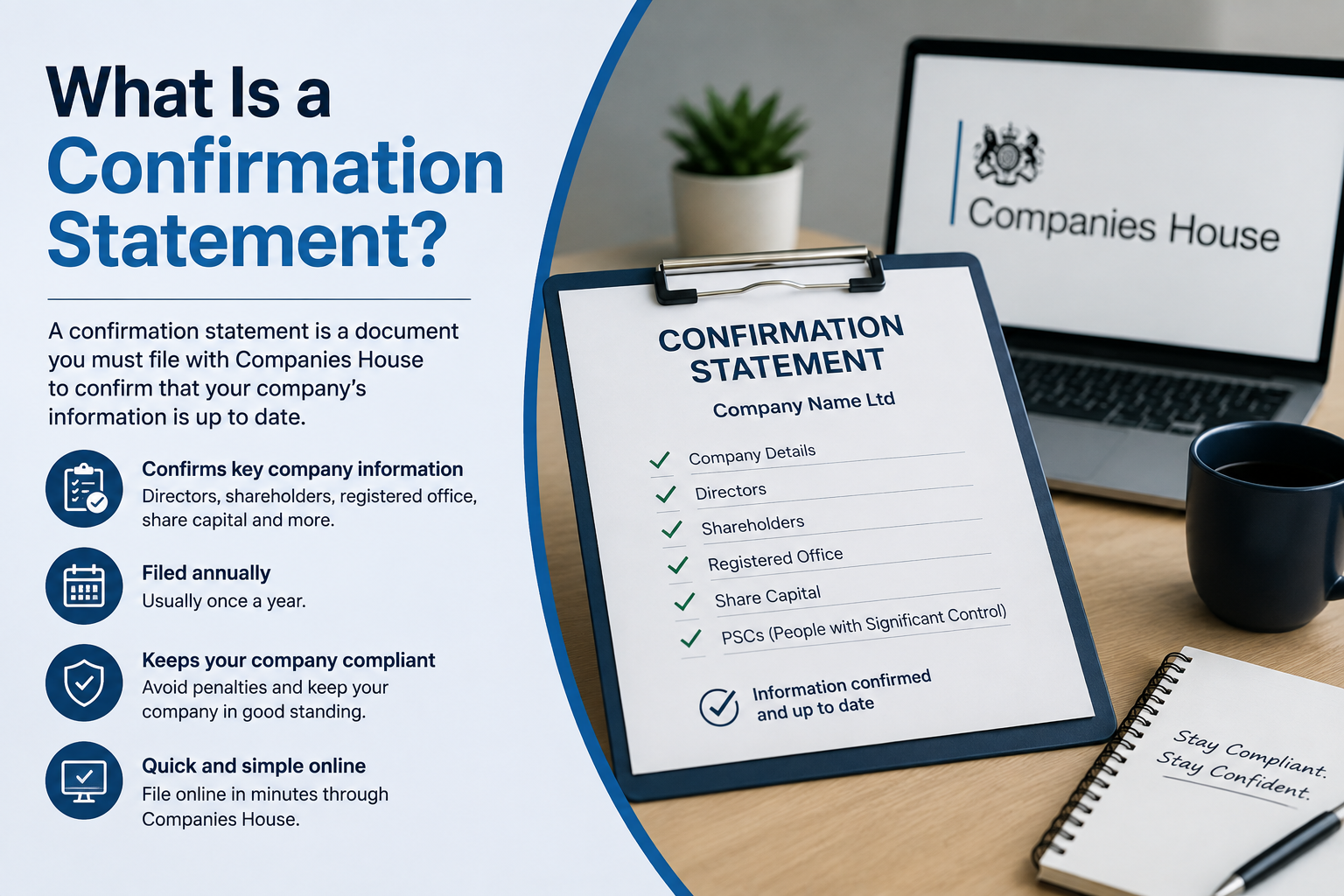
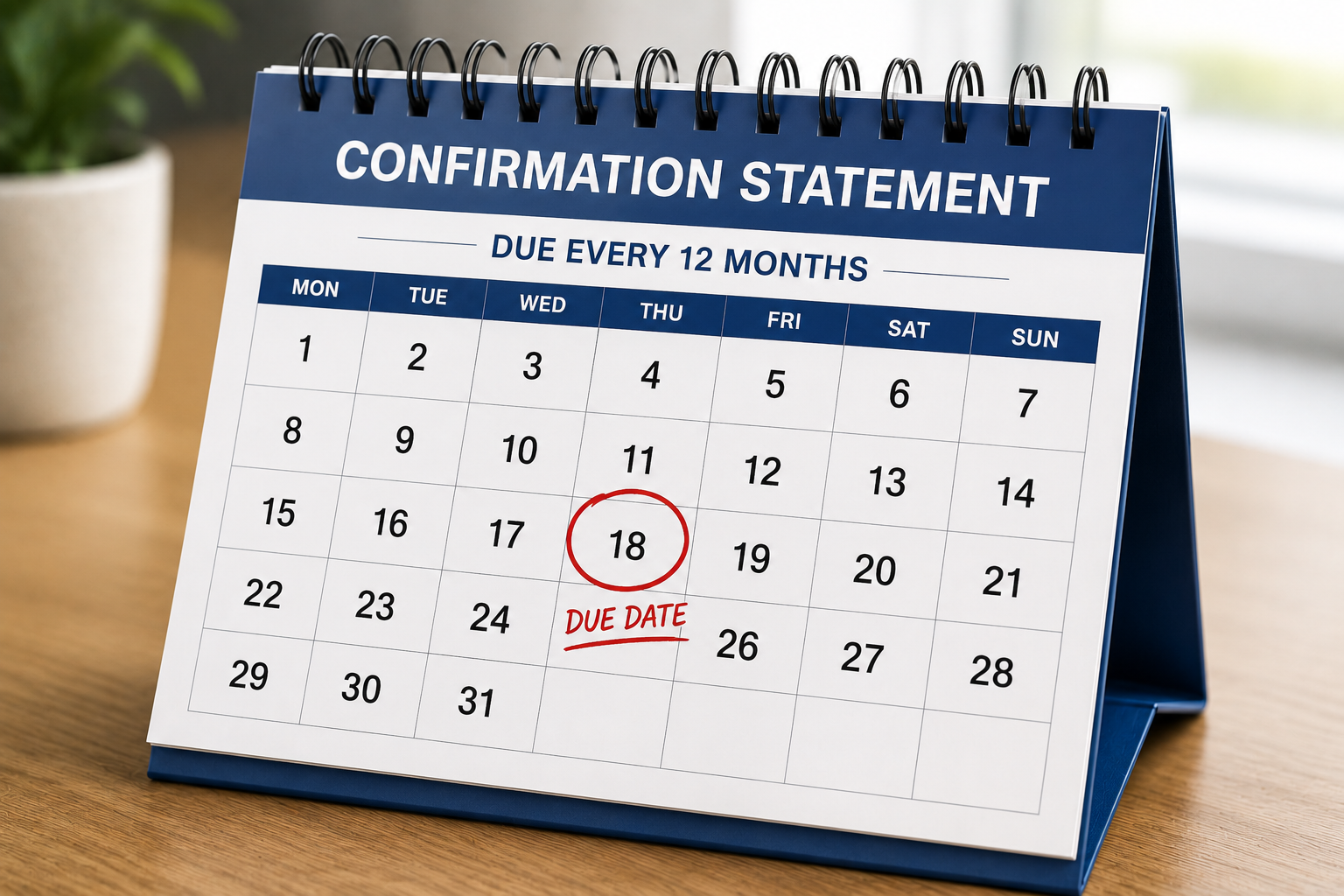
Most limited companies must file documents regularly, including:
Failing to file required documents can lead to penalties and, in some cases, the company may be removed from the register.
Yes. The public register allows anyone to search for a company and view basic information, including:
Searching the register can help verify whether a business is legitimate and whether it is meeting its filing obligations.
Companies House and HMRC have different responsibilities.
Companies House is responsible for company registration and maintaining the public company register.
HMRC is responsible for collecting taxes, including Corporation Tax, VAT and PAYE.
A UK limited company may need to interact with both organisations to meet its legal and tax obligations.
Companies House is the official registrar of companies in the UK. It records company information, processes statutory filings and maintains the public register of UK businesses. Understanding how Companies House works can help business owners stay compliant and manage their filing responsibilities more effectively.