By

August 23, 2026
Can a UK Company Pay Corporation Tax in Instalments?
Yes, in some circumstances a UK company can pay Corporation Tax in instalments. Large companies may be required to make quarterly instalment payments, while a company that cannot afford its Corporation Tax bill may be able to agree a payment arrangement with HMRC.
For most small UK limited companies, however, Corporation Tax is normally paid as a single payment by the standard deadline.
For most UK companies with taxable profits of up to £1.5 million, Corporation Tax is normally due:
9 months and 1 day after the end of the company's accounting period.
For example, if a company's accounting period ends on 31 December, its Corporation Tax would normally need to be paid by 1 October of the following year.
Different rules apply to companies that fall within the quarterly instalment payment regime.
A small company cannot normally choose to spread its Corporation Tax bill over instalments beyond the payment deadline simply for convenience.
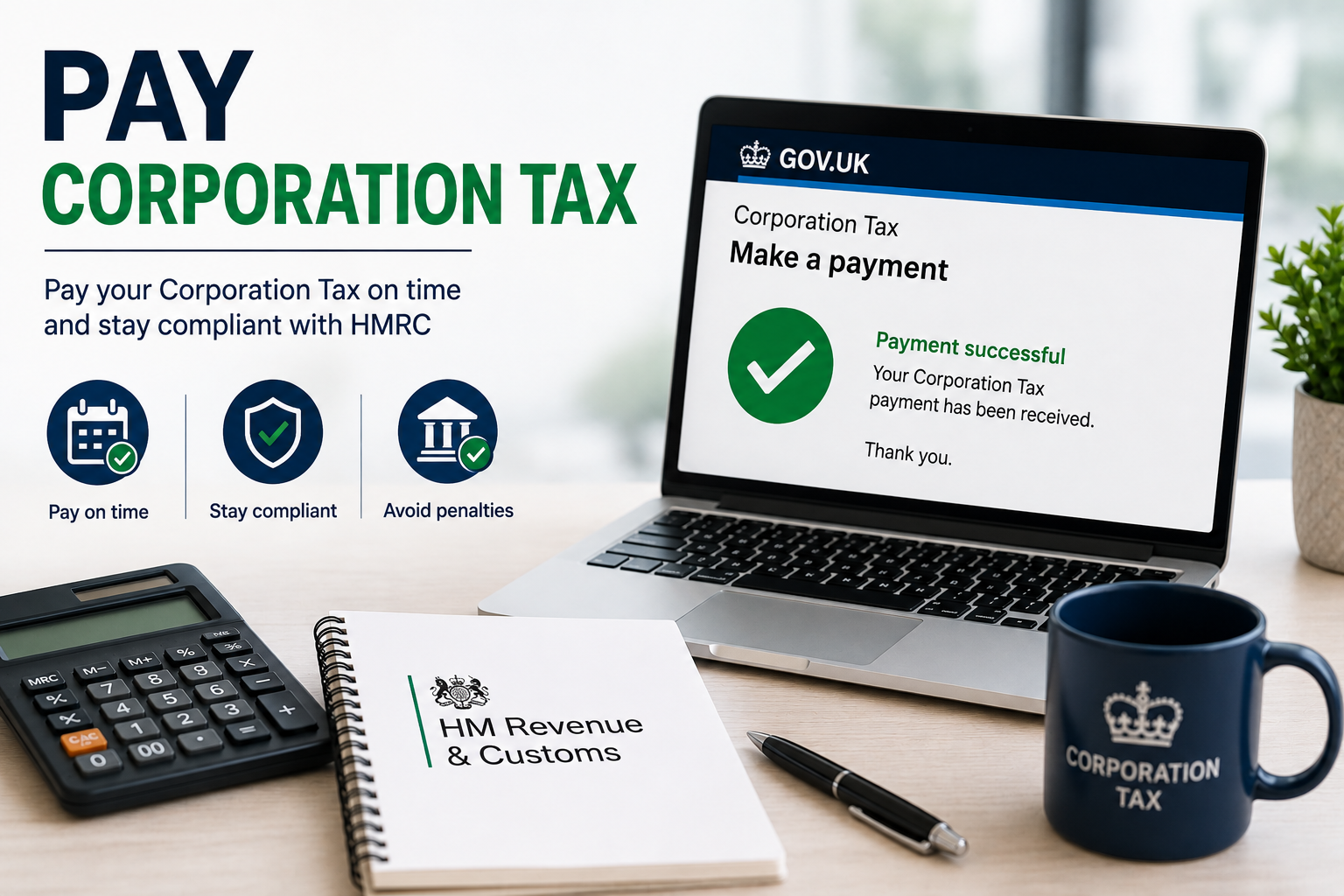
However, you can make multiple payments before the deadline.
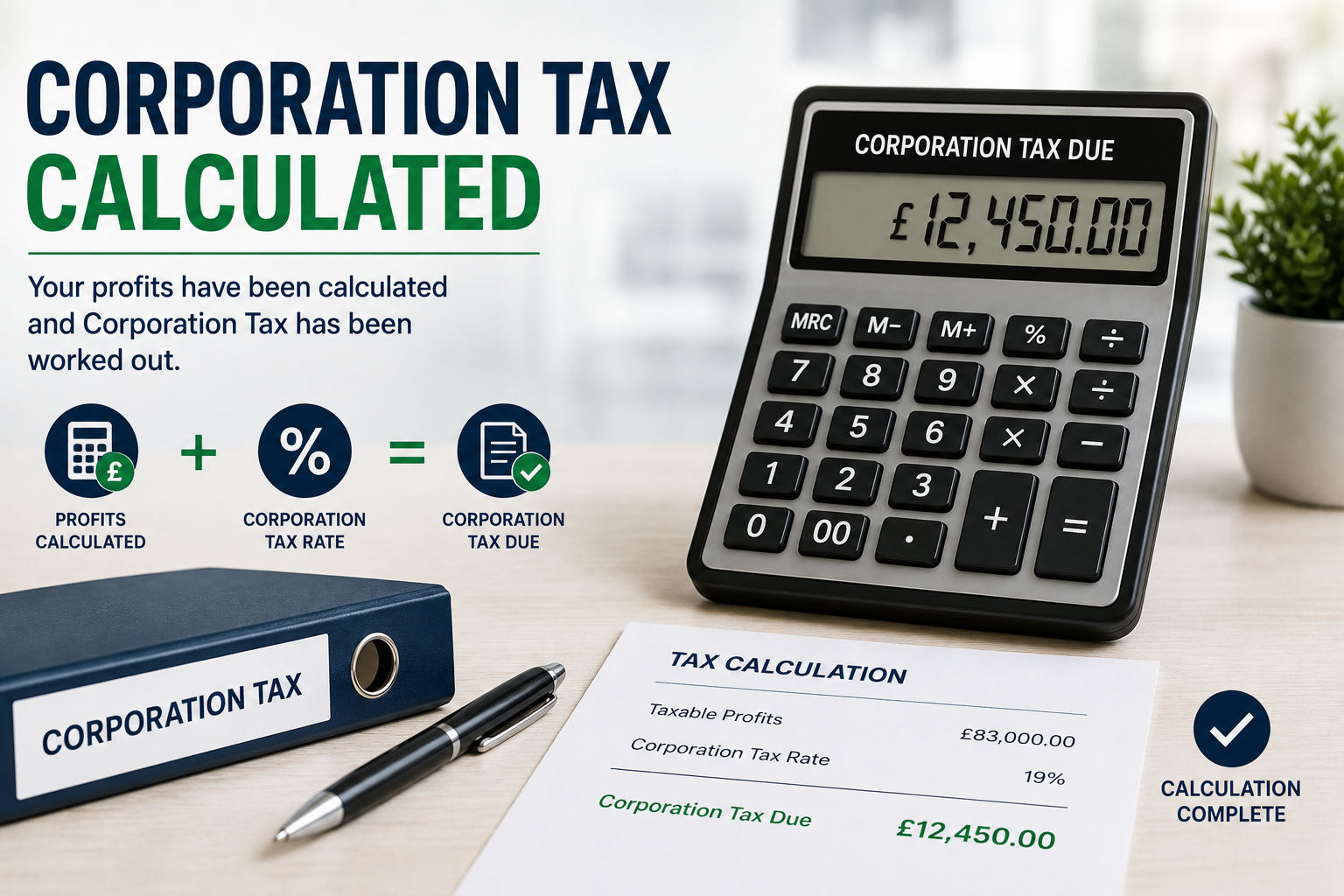
For example, if your company expects a £12,000 Corporation Tax bill, it could make several payments towards that liability during the year rather than waiting to pay the full amount at once.
The important point is that the required Corporation Tax must be paid by the applicable deadline.
If your UK company cannot pay its Corporation Tax on time, contact HMRC as soon as possible.
HMRC may agree to a Time to Pay arrangement, depending on the company's circumstances.
This can allow an outstanding tax liability to be repaid through agreed instalments rather than as one immediate payment.
Approval is not automatic. HMRC will consider the company's financial position and ability to repay the debt.
Interest can generally continue to apply when Corporation Tax is paid after its original due date.
A payment arrangement therefore does not necessarily make late payment interest disappear.
This is different from voluntarily making several payments before the Corporation Tax deadline.
A Time to Pay arrangement is an agreement between a taxpayer and HMRC for paying an outstanding tax debt over an agreed period.
HMRC may consider factors such as:
Businesses experiencing payment difficulties should contact HMRC before the situation becomes more serious.
Yes. Companies above certain profit thresholds can be required to pay Corporation Tax through quarterly instalment payments.
Broadly, companies with annual taxable profits above £1.5 million can fall within the quarterly instalment regime, although the threshold can be reduced where there are associated companies or a shorter accounting period.
Special rules also apply to companies with very large profits.
This means the exact payment schedule depends on the company's size, profits, accounting period and corporate structure.
Yes.
A UK company can make payments towards its Corporation Tax liability before the final payment deadline.
This can be useful for cash-flow management because the company does not have to keep the entire expected tax bill available until the deadline.
Companies should use the correct Corporation Tax payment reference so HMRC can allocate payments correctly.
Although most small companies are not required to pay Corporation Tax monthly, setting money aside regularly can be useful.
For example, a company could transfer part of its available profits into a separate account each month to prepare for its Corporation Tax bill.
This can help prevent the tax payment from creating a large unexpected cash-flow requirement.
Where Corporation Tax remains unpaid after its applicable deadline, HMRC can charge late payment interest.
If a company has agreed a Time to Pay arrangement, it should make the agreed payments on time and contact HMRC if it expects difficulty meeting the arrangement.
A small UK company can voluntarily make payments towards its Corporation Tax throughout the year, but this does not normally change the official payment deadline.
Yes, you can make multiple payments before the deadline. If you need to pay after the deadline, you may need to discuss a Time to Pay arrangement with HMRC.
Potentially. HMRC may agree a Time to Pay arrangement where a company is unable to pay its tax liability in full.
No. A Time to Pay arrangement must be agreed with HMRC and depends on the company's circumstances.
Certain large and very large companies are required to make quarterly instalment payments.
Yes. A UK company can make Corporation Tax payments before the deadline.
A UK company can pay Corporation Tax in instalments in certain circumstances.
Most small UK companies normally have one Corporation Tax payment deadline, but they can make multiple payments before that date. If a company cannot afford to pay its bill on time, HMRC may agree to a Time to Pay arrangement.
Large companies may instead be required to make quarterly Corporation Tax instalment payments under separate rules.
Planning ahead and setting aside money throughout the accounting period can help UK companies manage their Corporation Tax payments without creating unnecessary cash-flow pressure.