By

August 23, 2026
When Does a UK Company Pay Corporation Tax?
A UK limited company normally has to pay its Corporation Tax by 9 months and 1 day after the end of its accounting period.
The deadline for paying Corporation Tax is different from the deadline for filing the Company Tax Return, so company directors should keep track of both dates.
For most UK companies with taxable profits of up to £1.5 million, Corporation Tax must normally be paid:
9 months and 1 day after the end of the company's accounting period.
For example, if your company's accounting period ends on 31 December, the Corporation Tax payment deadline would normally be 1 October of the following year.
Larger companies may have different payment rules and may need to pay Corporation Tax in instalments.
A newly incorporated company does not automatically start paying Corporation Tax from the date it is registered.
Corporation Tax generally becomes relevant when the company starts carrying on business activities and becomes active for Corporation Tax purposes.
This can include activities such as:
The company will normally need to inform HMRC when it becomes active.
Usually, no.
Most small UK limited companies do not make monthly Corporation Tax payments. Instead, they calculate the tax due for an accounting period and pay it by the applicable deadline.
Different rules can apply to larger companies, which may have to make quarterly instalment payments.
The Corporation Tax payment deadline and Company Tax Return deadline are different.
For a typical company:
Corporation Tax payment: 9 months and 1 day after the accounting period ends.
Company Tax Return: 12 months after the accounting period ends.
This means a company can be required to pay its Corporation Tax before its tax return is due.
Generally, a company will not have Corporation Tax to pay for an accounting period if it has no taxable profits.
However, the company may still have reporting and filing obligations.
Trading losses may also be available to offset against certain profits, subject to the applicable Corporation Tax rules.
A genuinely dormant company will generally have no Corporation Tax to pay because it is not carrying on business and generating taxable profits.
However, dormant companies can still have Companies House filing obligations.
If a dormant company begins trading, it may become active for Corporation Tax purposes.
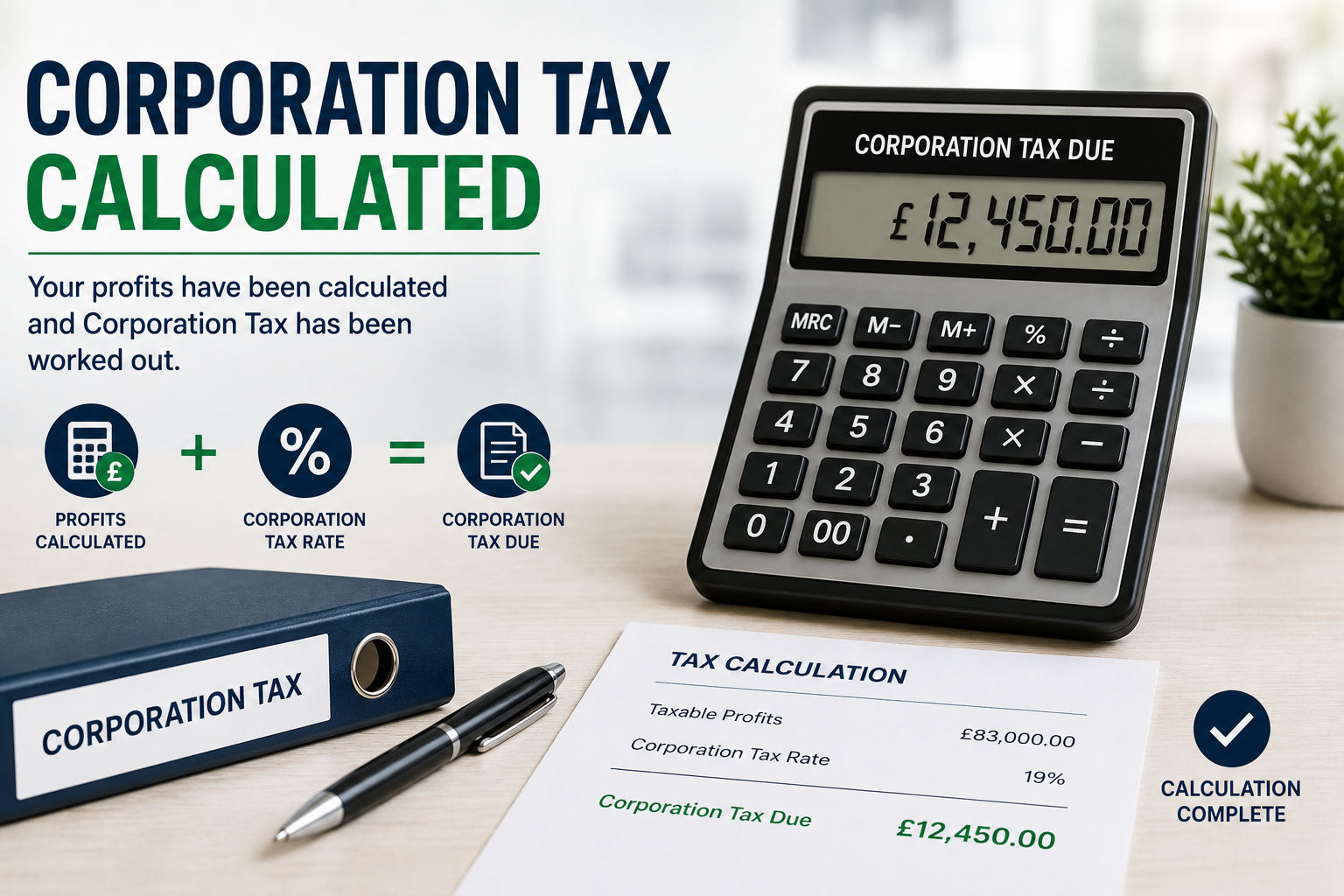
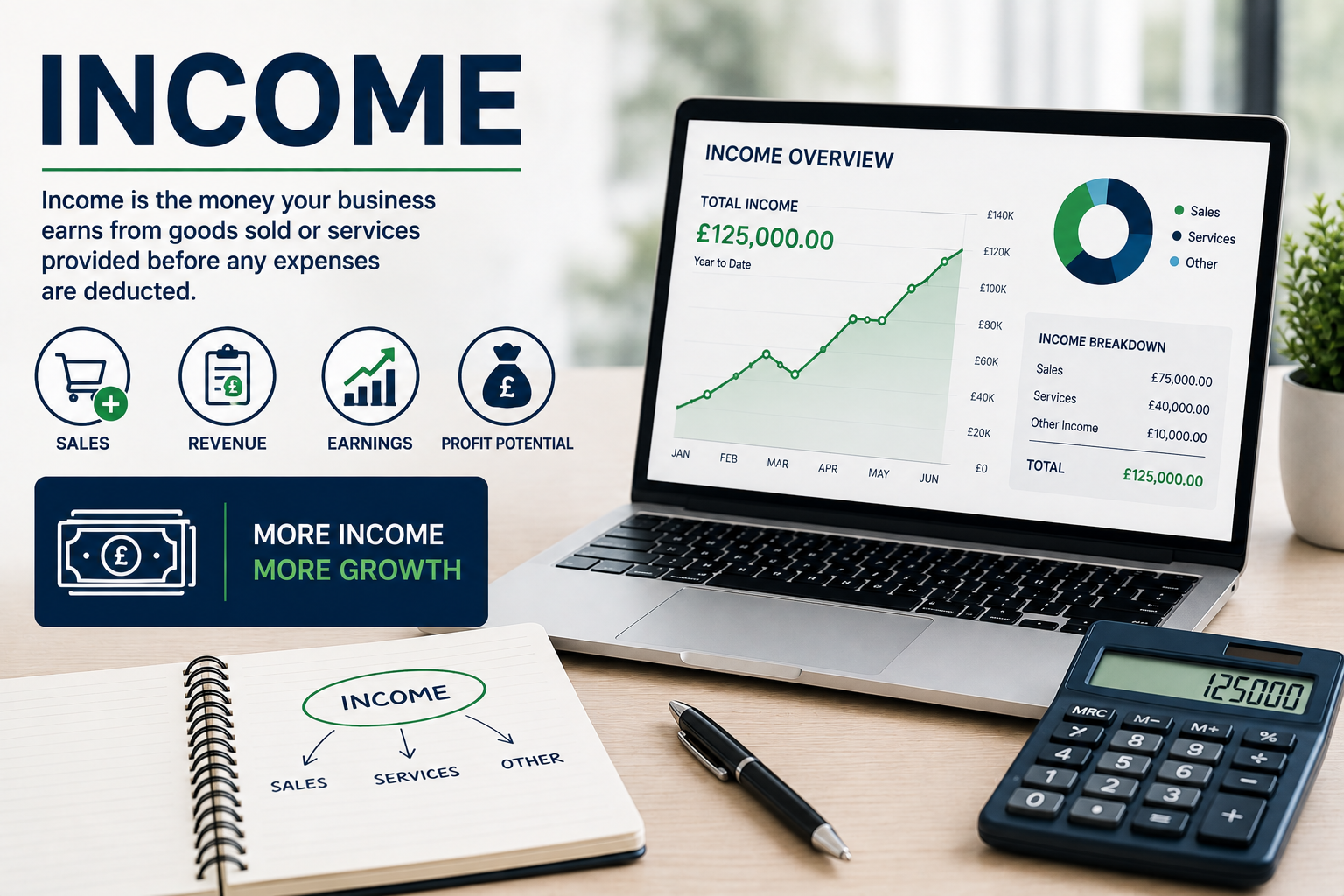
The amount depends on the company's taxable profits, not simply the amount of money received into its business account.
Taxable profit can broadly include:
Allowable business expenses and other tax reliefs can reduce the amount of profit subject to Corporation Tax.
If a company pays its Corporation Tax after the deadline, HMRC can charge interest on the outstanding amount.
It is therefore important to distinguish between the company's accounting period end, tax payment deadline and tax return deadline.
Rather than waiting until the payment deadline, companies can regularly set aside part of their profits to cover their expected Corporation Tax bill.
Good bookkeeping can also make it easier to estimate taxable profits and identify allowable business expenses throughout the year.
For most companies, Corporation Tax is due 9 months and 1 day after the end of the accounting period.
Usually, yes. The payment deadline is generally 9 months and 1 day after the accounting period ends, while the Company Tax Return is generally due 12 months after the period ends.
A new company may need to pay Corporation Tax once it becomes active and generates taxable profits.
No. Corporation Tax is generally calculated on taxable profits, rather than total sales or revenue.
If a company has no taxable profit, it will generally have no Corporation Tax to pay for that period, although filing obligations may still apply.
Yes. A company does not have to wait until the payment deadline to pay its Corporation Tax.
For most UK limited companies, Corporation Tax must be paid 9 months and 1 day after the end of the company's accounting period.
Remember that paying Corporation Tax and filing a Company Tax Return have separate deadlines. Keeping accurate accounts and planning for the tax bill throughout the year can help a company avoid late payments and unexpected cash-flow problems.