By

August 23, 2026
What Income Is Subject to Corporation Tax in the UK?
UK companies generally pay Corporation Tax on their taxable profits, including profits from trading, investments and certain gains from selling assets.
Corporation Tax is not normally charged directly on a company's total revenue. Instead, the company calculates its taxable profits after taking account of allowable expenses, reliefs and other tax adjustments.
A UK limited company may have to pay Corporation Tax on profits from:
The exact treatment depends on the type of income and the circumstances in which it is received.
For most UK companies, trading income is the main source of taxable profit.
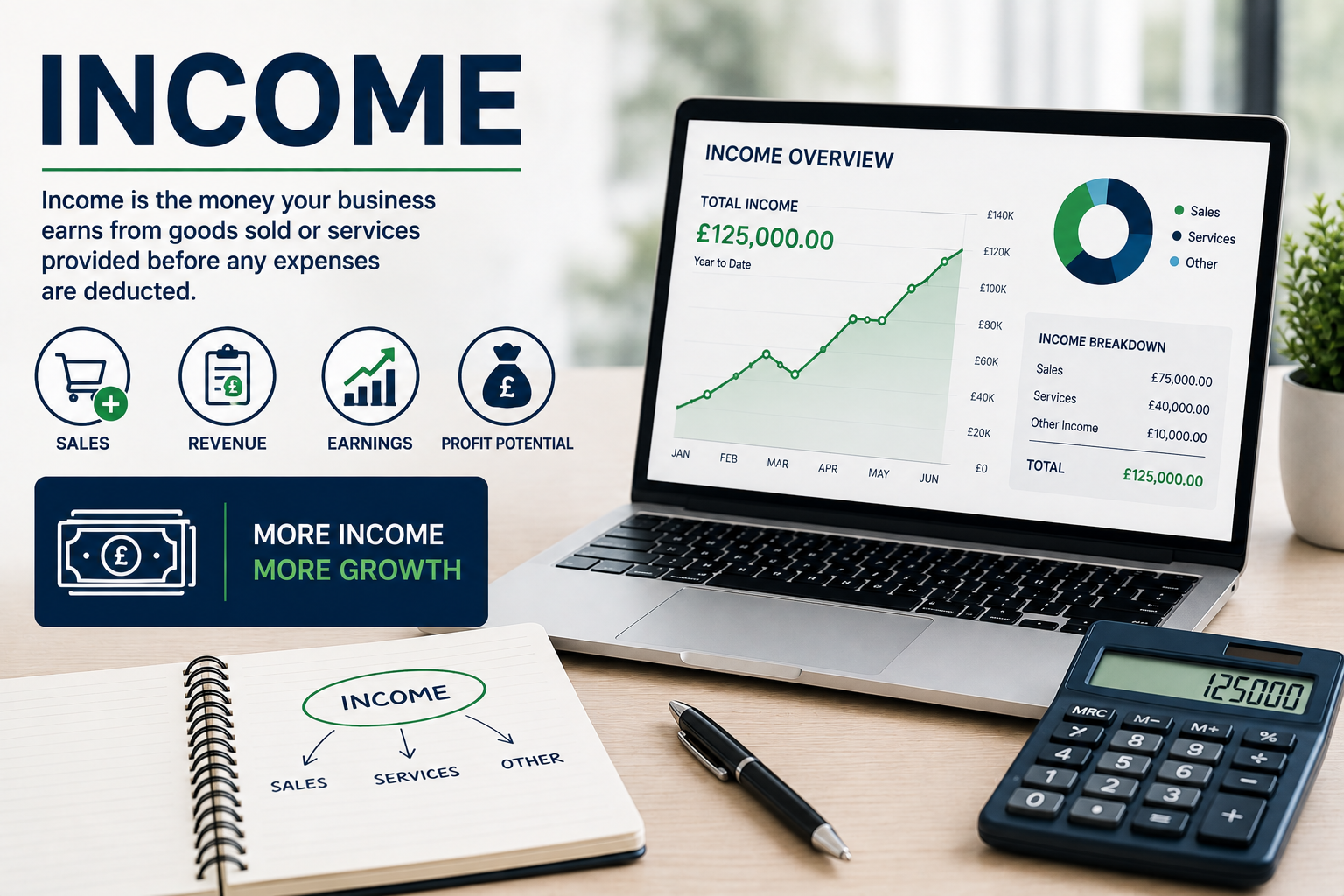
This can include money earned from:
The company generally deducts allowable business expenses from its trading income to determine its taxable trading profit.
Suppose a company has:
Sales revenue: £150,000
Allowable expenses: £100,000
Taxable trading profit: £50,000
Corporation Tax would generally be calculated using the £50,000 taxable profit, rather than the £150,000 of sales.
Interest earned by a company can generally form part of its taxable income.
For example, a company may receive interest from:
The tax treatment can vary depending on the nature of the financial arrangement.
A limited company that owns and rents property may have to pay Corporation Tax on its taxable property profits.
Allowable property-related costs may be deductible when calculating the taxable amount, subject to the relevant tax rules.
Companies can also have taxable income or gains from investments.
The tax treatment depends on the type of investment and the nature of the return received.
For example, interest and certain investment returns may be taxable, while special rules can apply to dividends received by UK companies.
Many dividends received by UK companies are exempt from Corporation Tax, subject to the applicable rules.
However, not every payment described as a dividend should automatically be assumed to be exempt. The nature of the payment and relevant exemptions need to be considered.
Companies do not generally pay Capital Gains Tax in the same way as individuals.
Instead, taxable chargeable gains made by a company are generally included within the Corporation Tax system.
For example, a company may make a gain when selling:
The taxable gain is generally based on the disposal proceeds compared with the relevant allowable cost, subject to applicable rules and reliefs.
A UK-resident company is generally subject to UK Corporation Tax on its worldwide profits, although exemptions, double taxation relief and other international tax rules may apply.
This means overseas income can potentially include:
Companies trading internationally should therefore not assume that income is outside UK Corporation Tax simply because it was received from a customer or account outside the UK.
The currency used to receive a payment does not by itself determine whether the income is taxable.
A UK company could receive payments in:
GBP, EUR, USD or other currencies
and the underlying profit may still be subject to UK Corporation Tax.
Foreign currency transactions may also create exchange gains or losses that need to be accounted for correctly.
No.
Not every payment entering a company's business account represents taxable income.
For example, money received could potentially represent:
The reason for the payment determines its accounting and tax treatment.
Money lent to a company by a director is not normally treated as trading income simply because it enters the company's bank account.
It represents money the company owes to the director.
Different tax rules can apply when a company lends money to a director or shareholder, so the direction and nature of the loan are important.
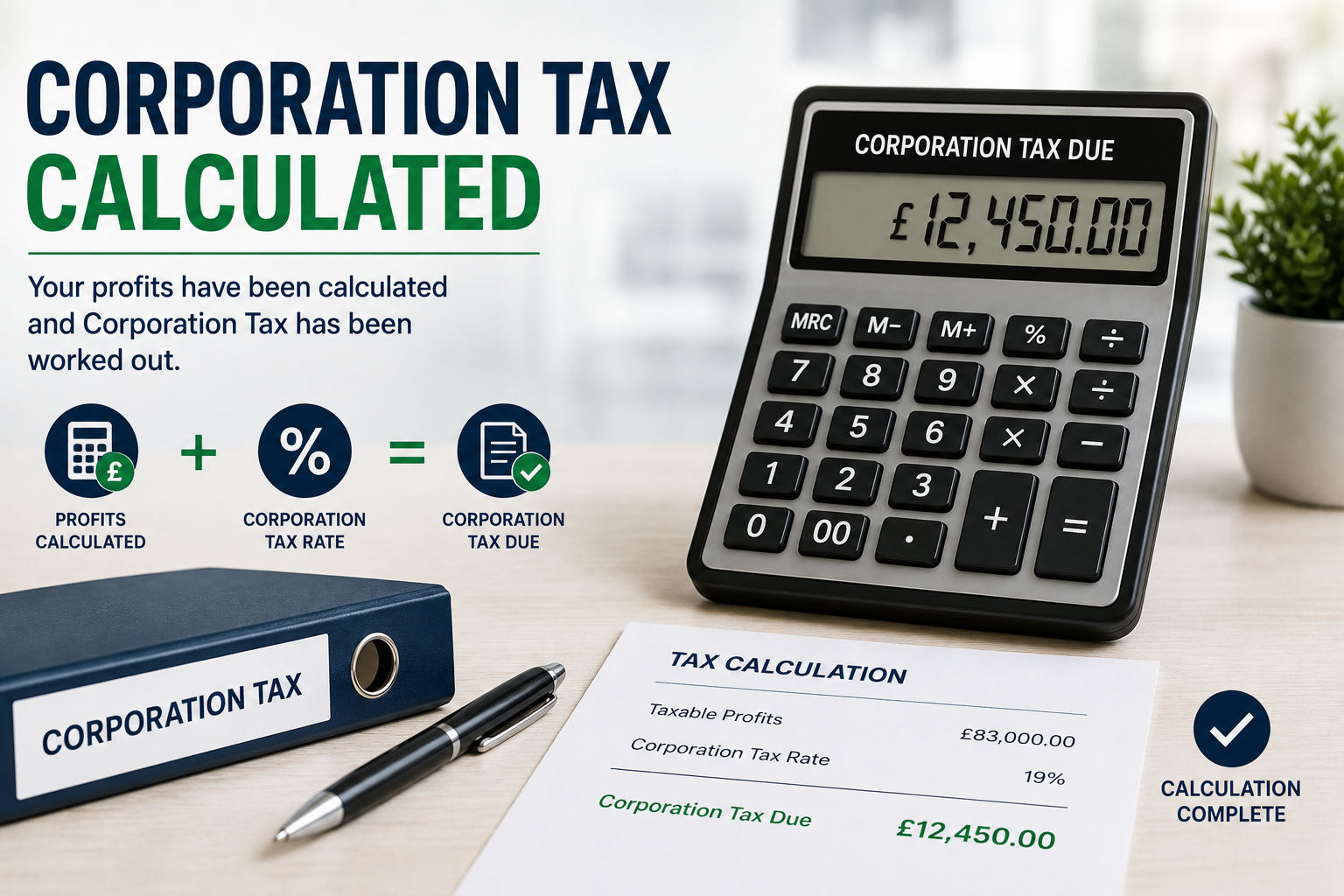
Corporation Tax is generally charged on taxable profits, not gross revenue.
A simplified calculation is:
Income – allowable expenses – applicable deductions and reliefs = taxable profit
The relevant Corporation Tax rules and rates are then applied to that taxable profit.
Depending on the circumstances, amounts that may not represent taxable company income can include:
Each transaction should be classified according to its actual purpose rather than simply whether money entered the company's account.
A UK company can generally pay Corporation Tax on taxable trading profits, investment income, property profits and chargeable gains.
No. Corporation Tax is based on taxable profits and gains rather than every payment entering the company's account.
For a UK-resident company, profits from international trading can generally fall within UK Corporation Tax, subject to applicable international tax rules and reliefs.
Interest received by a company can generally form part of its taxable profits.
A genuine business loan is not normally treated as taxable trading income simply because the money is received by the company.
Companies generally pay Corporation Tax on taxable chargeable gains rather than paying Capital Gains Tax in the same way as individuals.
A UK company can be subject to Corporation Tax on much more than its ordinary sales.
Taxable profits can arise from trading, investments, property, interest and chargeable gains, while UK-resident companies can also be taxable on overseas profits.
However, not every payment received by a company is taxable income. Loans, capital contributions and transfers between the company's own accounts are examples of transactions that may have a different tax treatment.
Keeping accurate records of where money comes from and why it was received helps ensure that a company's taxable profits and Corporation Tax liability are calculated correctly.