By

August 23, 2026
What Expenses Reduce Corporation Tax for a UK Company?
Allowable business expenses can reduce the taxable profits of a UK limited company and, as a result, reduce its Corporation Tax bill.
In general, expenses must be incurred for a genuine business purpose and meet HMRC's rules to be deductible for Corporation Tax.
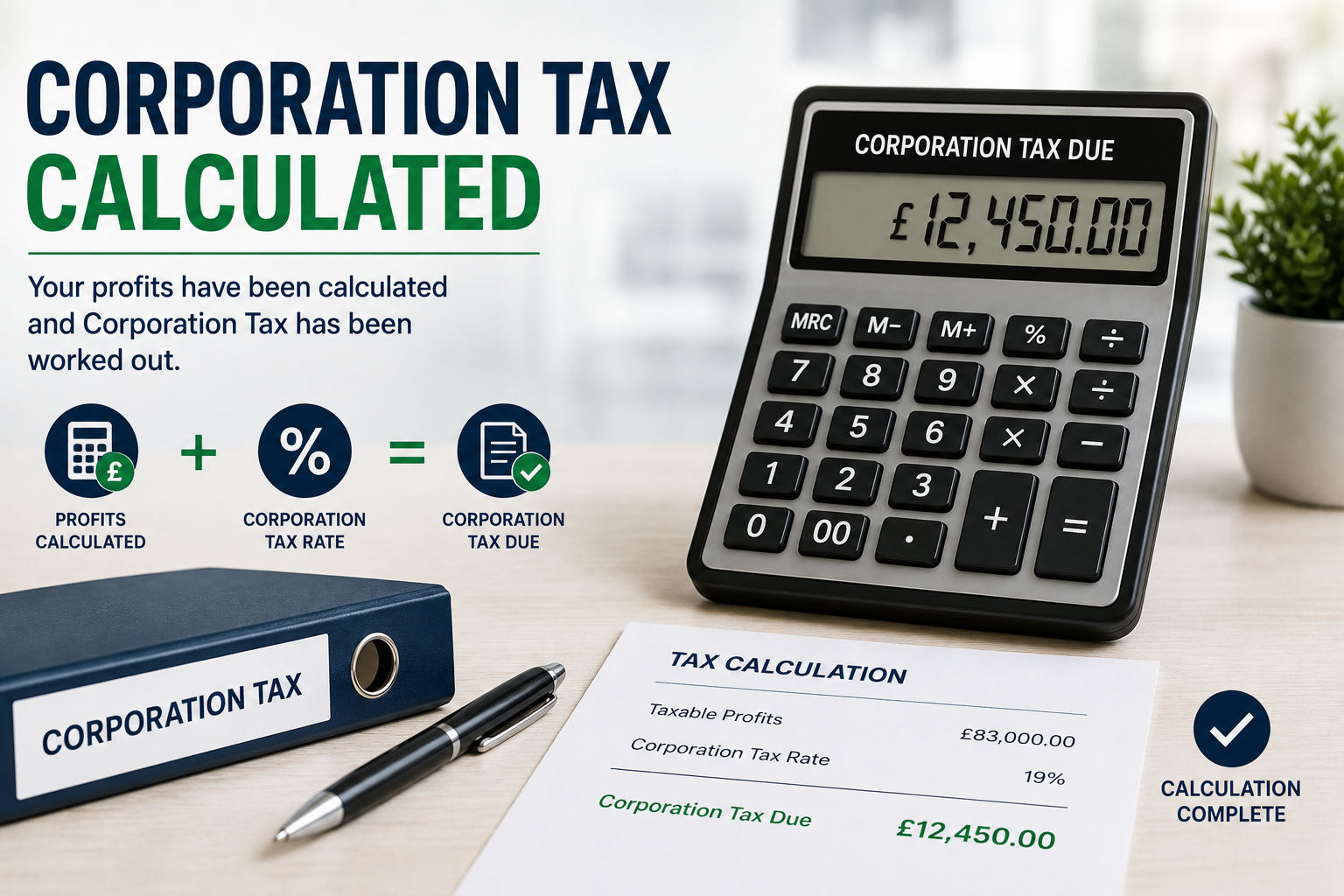
Corporation Tax is generally calculated on a company's taxable profits, rather than its total turnover.
A simplified calculation is:
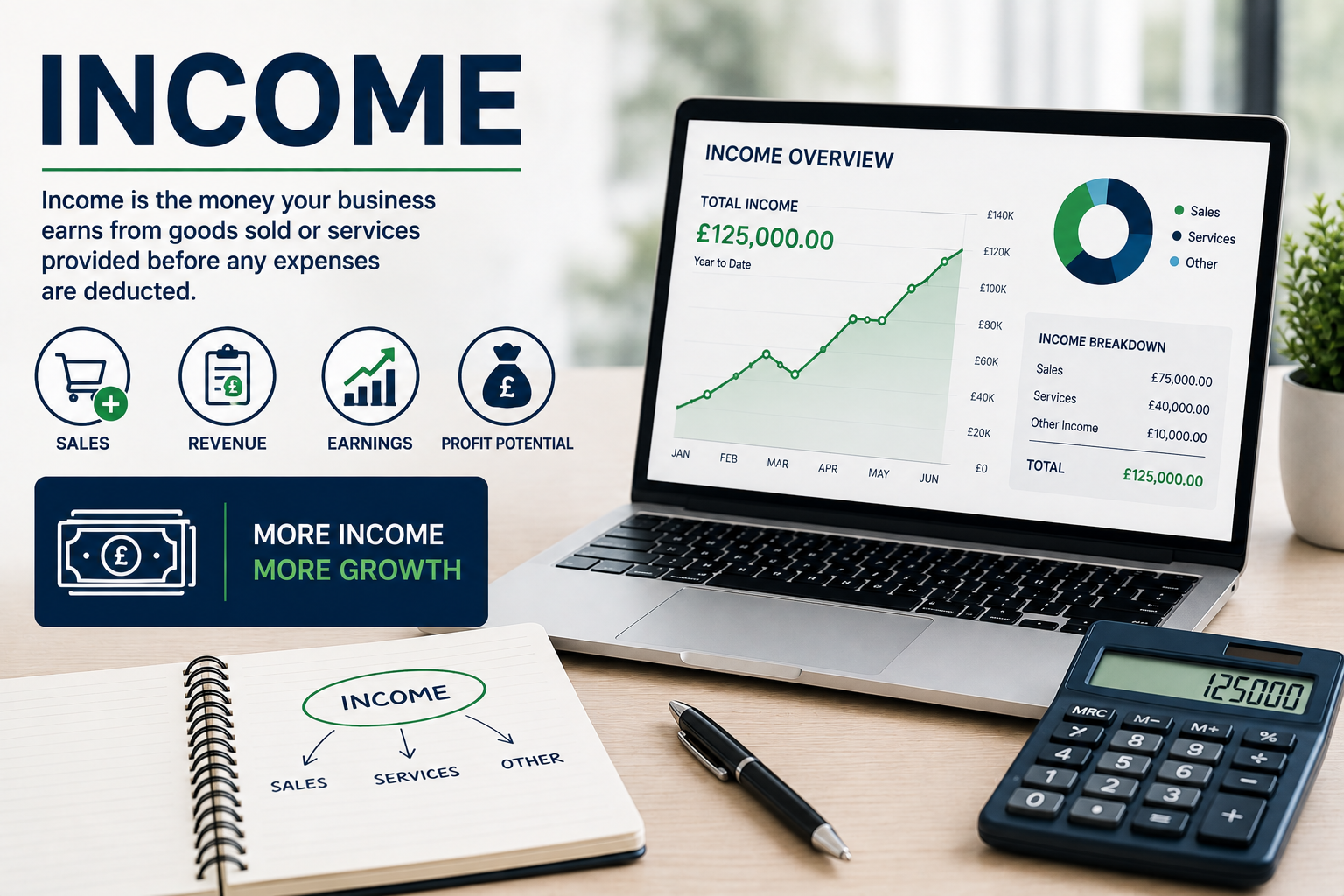
Business income – allowable expenses = taxable profit
Corporation Tax is then calculated on the taxable profit after any further relevant adjustments, allowances or reliefs.
For example, if a UK company has £100,000 of income and £40,000 of allowable expenses, its profit before other tax adjustments would be £60,000.
Depending on the nature of the business, deductible expenses can include:
The expense must satisfy the relevant tax rules to reduce taxable profits.
Salaries paid to employees and directors can generally be deductible business expenses when they are incurred wholly and exclusively for the purposes of the company's trade.
Related employment costs may also be deductible, including:
PAYE and National Insurance rules may also apply.
Costs associated with operating business premises can potentially reduce taxable profits.
Examples include:
Special rules can apply where premises or expenses have both business and personal use.
Many genuine marketing costs can be deductible.
These may include:
The expenditure should relate to promoting the company's business activities.
Modern businesses often pay for a variety of online services.
Potentially deductible costs can include:
The correct tax treatment can depend on the nature of the expenditure.
Certain professional costs incurred for business purposes may reduce taxable profits.
Examples can include fees for:
Not every professional fee is automatically deductible. For example, costs associated with certain capital transactions may receive different tax treatment.
Qualifying business travel expenses can potentially be deductible, including certain:
Ordinary commuting and private travel are generally treated differently from genuine business travel.
Insurance purchased for business purposes can generally be an allowable expense.
Examples may include:
Businesses selling physical products can generally take account of costs associated with purchasing stock and materials when calculating their trading profits.
This can include:
Accounting rules determine when these costs are recognised, particularly where stock remains unsold at the end of the accounting period.
Business equipment is often treated differently from ordinary day-to-day expenses.
Purchases such as:
may qualify for capital allowances.
Depending on the asset and circumstances, allowances such as the Annual Investment Allowance or full expensing may reduce taxable profits.
Qualifying employer pension contributions made by a company can generally be deductible for Corporation Tax purposes, subject to the relevant conditions.
This can potentially reduce the company's taxable profit while funding pensions for directors or employees.
Not every payment made from a business account is deductible.
Examples that may not reduce Corporation Tax include:
The tax treatment depends on the circumstances and applicable rules.
No, generally not.
Dividends are distributions of company profits to shareholders. They are not normally treated as business expenses when calculating taxable profits.
A company therefore cannot reduce its Corporation Tax bill simply by paying larger dividends.
Generally, no.
A limited company should not deduct purely personal expenses when calculating its taxable business profits.
If an expense has both business and personal elements, specific rules may determine whether the business portion can be claimed.
UK companies should keep accurate records supporting their business expenses.
Useful records can include:
Good record-keeping helps demonstrate why an expense was incurred and ensures legitimate deductions are not overlooked.
Common examples include qualifying salaries, rent, insurance, marketing, professional fees, software, business travel, stock and other genuine business costs.
Expenses generally reduce taxable profits rather than reducing the tax bill pound-for-pound. Corporation Tax is then calculated on the lower taxable profit.
Potentially. A laptop purchased for business use may qualify for capital allowances or another appropriate tax treatment.
Genuine advertising and marketing expenses incurred for the business can generally be deductible.
Qualifying employer pension contributions can potentially reduce taxable company profits, subject to the applicable rules.
Corporation Tax is not normally deductible when calculating the taxable profit on which Corporation Tax is charged.
A UK limited company can potentially reduce its Corporation Tax liability by ensuring that all legitimate allowable business expenses are correctly recorded and claimed.
Common deductible costs can include salaries, marketing, insurance, software, professional fees, rent, travel, stock and other costs incurred for business purposes.
However, not everything paid from a business account is automatically tax deductible. Companies should correctly distinguish between allowable expenses, personal expenses, capital expenditure and non-deductible costs when calculating taxable profits.