By

August 16, 2026
What Is Corporation Tax?
Corporation Tax is a tax that UK limited companies usually pay on their taxable profits. These profits can include money earned from trading, investments and the sale of business assets.
Most limited companies operating in the UK must register for Corporation Tax and report their profits to HMRC.
Corporation Tax is generally paid by:
Sole traders and most partnerships do not usually pay Corporation Tax because they are taxed under different rules.
A company may pay Corporation Tax on profits generated from:
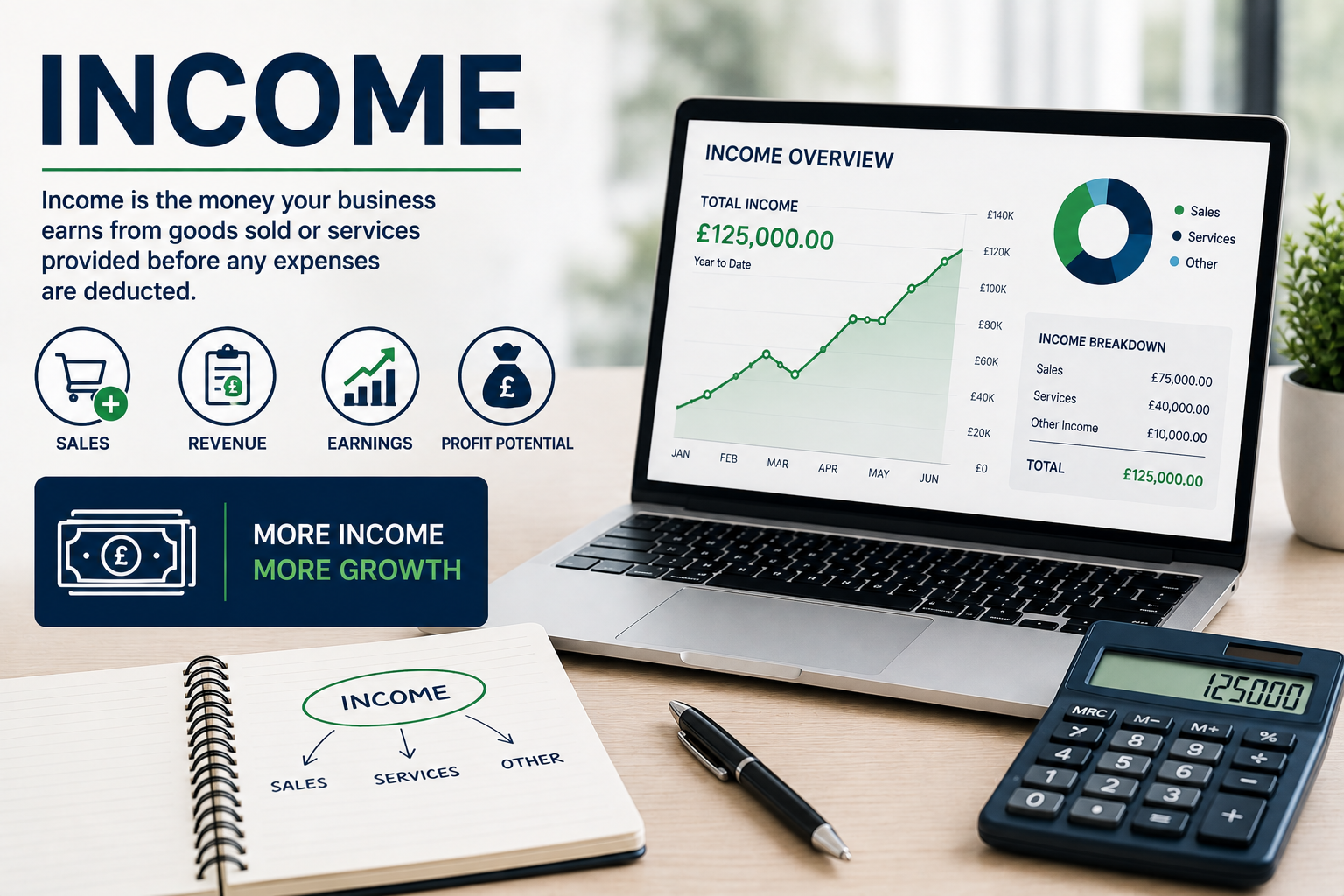
Taxable profits are not always the same as total revenue. A company can usually deduct eligible business expenses before calculating its taxable profit.
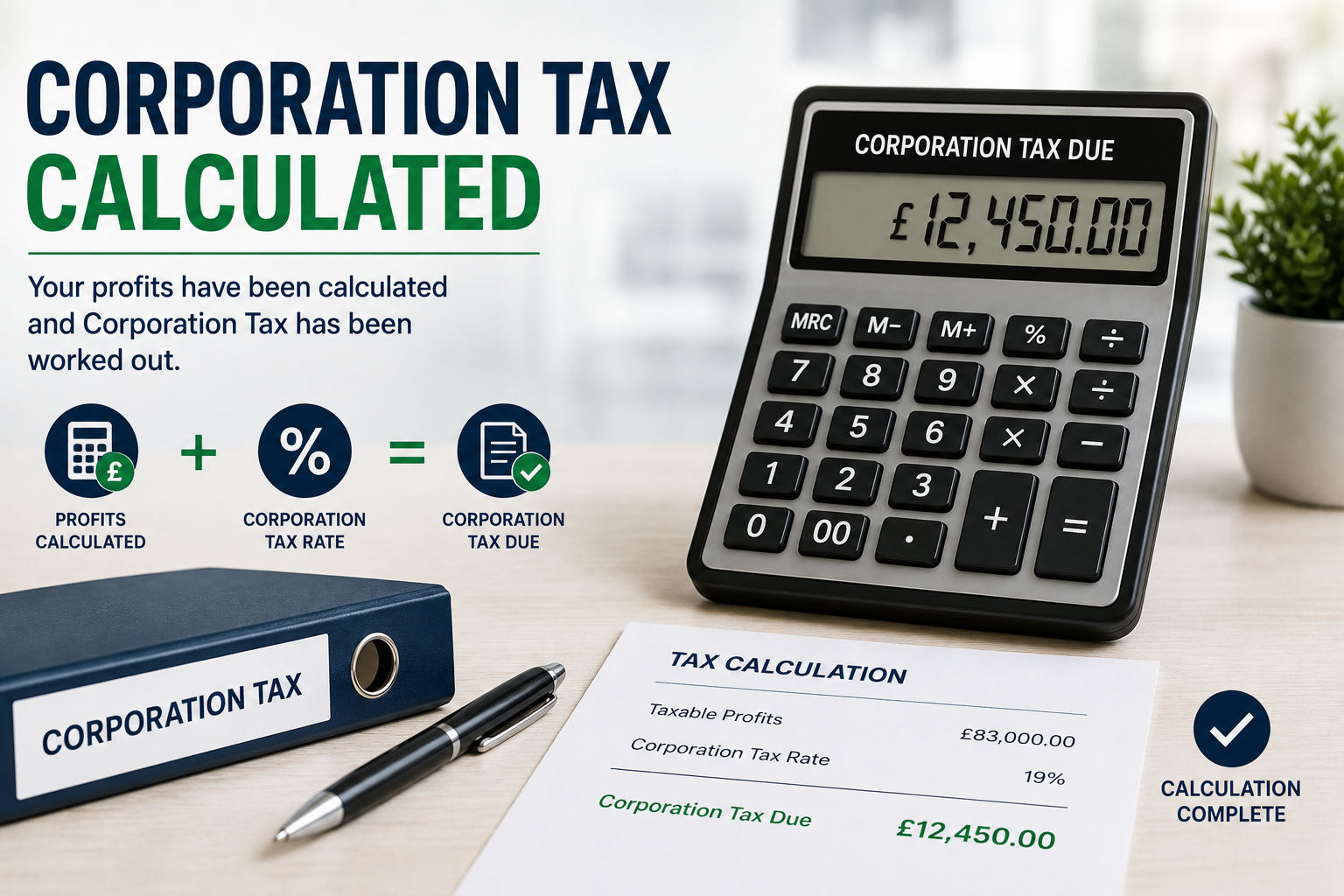
Corporation Tax is calculated using the company's taxable profits for an accounting period.
The basic calculation follows these steps:
Because tax rates and allowances can change, businesses should always check the latest HMRC guidance when calculating their tax liability.
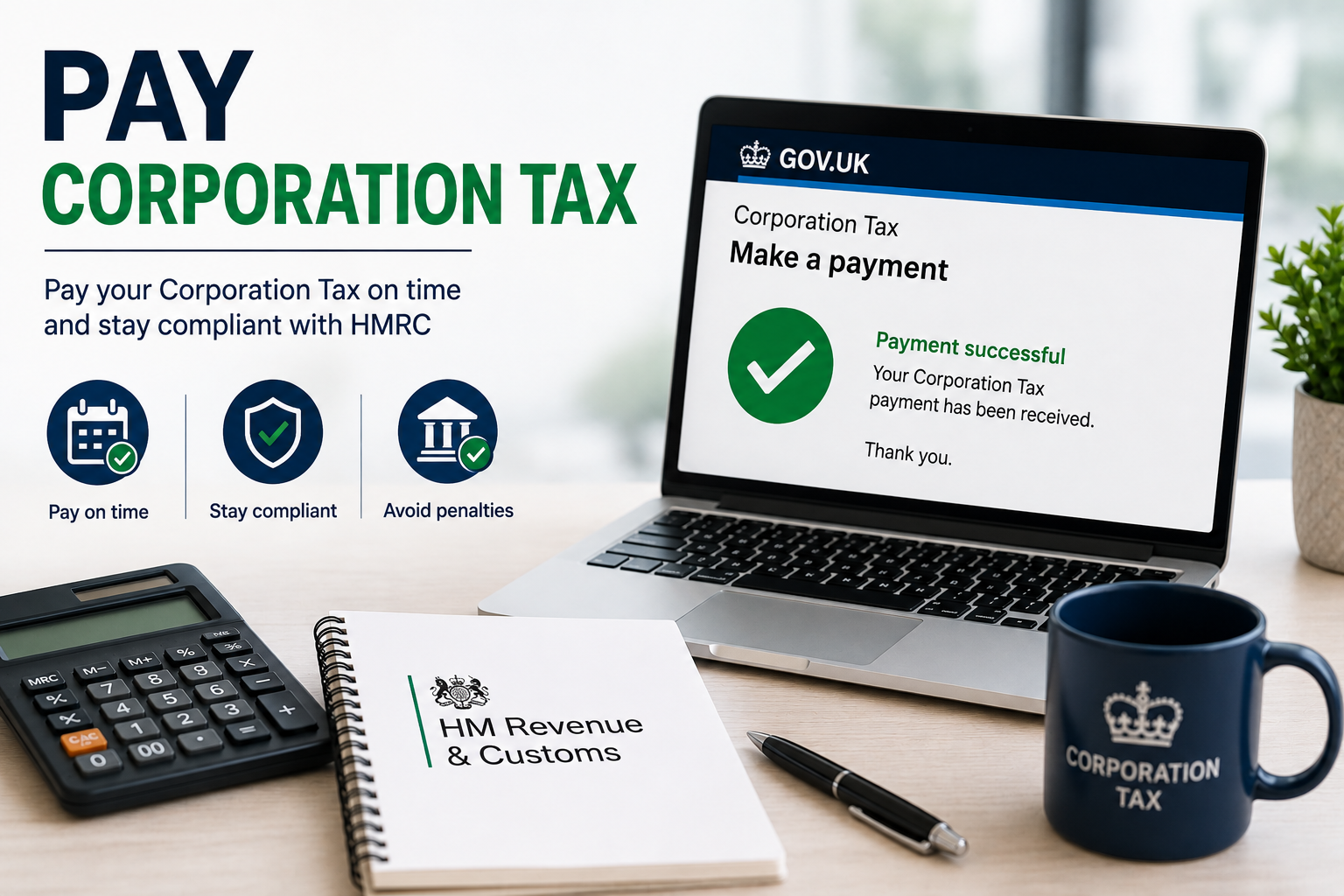
Corporation Tax is not automatically deducted from a company's income.
Companies are responsible for:
Missing deadlines can result in penalties and interest charges.
Most active limited companies must register for Corporation Tax.
However, a company that is not trading may have different reporting requirements. Whether tax is payable depends on the company's activities and whether it has generated taxable profits.
Many businesses can deduct eligible expenses before calculating taxable profits.
Examples may include:
Only qualifying business expenses can usually be deducted when calculating taxable profits.
Late payment can lead to:
Keeping accurate financial records and monitoring important deadlines can help businesses avoid unnecessary costs.
Corporation Tax is a tax on the profits earned by a UK limited company. Understanding how profits are calculated, which expenses can be deducted and when payments are due can help businesses manage their finances more effectively and remain compliant with UK tax requirements.